



Introduction
Examining the enduring legacy of Christopher Reeve offers vital insight into how artistic achievement and dedicated civic advocacy can intersect to reshape public culture. Widely celebrated for his benchmark performance as the title character in the Superman film series (1978–1987), he established a new standard for portraying cinematic heroes by infusing them with warmth, moral clarity, and vulnerability. Beyond his major studio successes, his career encompassed diverse performances across classical theater, independent cinema, and television production.
- Introduction
- Key Profile Highlights
- Classical Foundations and Early Training at Juilliard
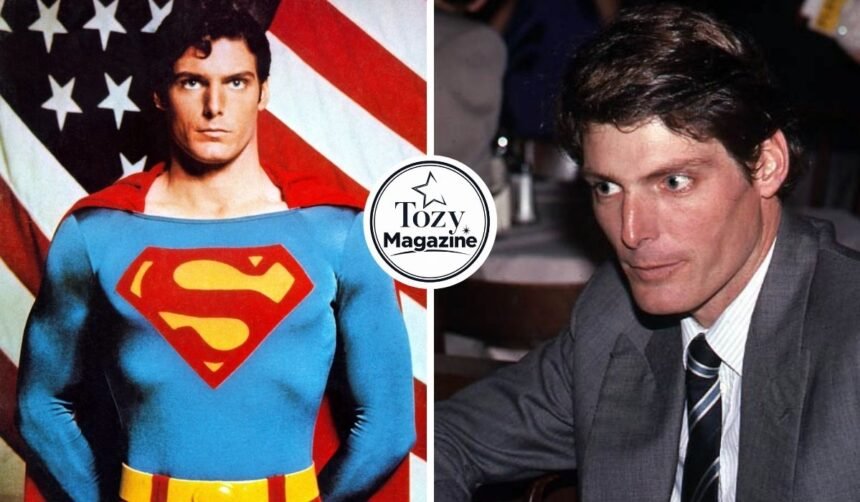
- Defining the Cinematic Hero in the Superman Series
- Independent Cinema and Stage Work in the 1980s
- Critical Acclaim in The Remains of the Day and Late 90s Roles
- The 1995 Accident and Medical Advocacy
- Directing, Writing, and Later Screen Appearances
- Death, Legacy, and Lasting Cultural Impact
- Frequently Asked Questions
- Conclusion
His life story took a dramatic turn in 1995 following a life-altering equestrian accident that left him paralyzed from the neck down. Demonstrating remarkable resilience, Christopher Reeve converted his personal tragedy into a national movement for spinal cord injury research, human embryonic stem cell studies, and expanded disability rights. This comprehensive profile outlines his early classical training, major film milestones, personal life, and revolutionary contributions to medical philanthropy.
Key Profile Highlights
| Career Category | Details |
| Full Name | Christopher D’Olier Reeve |
| Lifespan | September 25, 1952 – October 10, 2004 |
| Key Education | Cornell University (BA), The Juilliard School |
| Breakthrough Role | Clark Kent / Superman (Superman: The Movie, 1978) |
| Major Film Credits | Somewhere in Time, Deathtrap, The Bostonians, The Remains of the Day |
| Notable Honors | BAFTA Award, Grammy Award, Emmy Award, Screen Actors Guild Award |
| Philanthropic Legacy | Christopher & Dana Reeve Foundation, Reeve-Irvine Research Center |
Classical Foundations and Early Training at Juilliard
Long before gaining international fame, Christopher Reeve built a solid foundation in classical theater. Raised in Princeton, New Jersey, he discovered a passion for acting at age nine in a local production of The Yeomen of the Guard. He refined his talent during summer apprenticeships at the Williamstown Theatre Festival, an institution to which he remained loyal throughout his adult life.
While studying at Cornell University, he balancing academic coursework in English and music theory with intensive theatrical performances. His exceptional raw talent earned him early admission into the Juilliard School’s prestigious Advanced Program in 1973. Studying directly under renowned theatrical producer John Houseman alongside his close friend and classmate Robin Williams, he mastered classical dialects and stage technique, setting the stage for his Broadway debut in A Matter of Gravity alongside Katharine Hepburn.
Defining the Cinematic Hero in the Superman Series
Selected from hundreds of candidates, Christopher Reeve was cast as Clark Kent and Superman in Richard Donner’s 1978 cinematic masterpiece Superman. To meet the physical demands of the role without relying on artificial padding, he underwent a rigorous training regimen with former British weightlifting champion David Prowse, adding 30 pounds of lean muscle to his tall, slender frame.
His performance received universal critical acclaim for seamlessly balancing the awkward, gentle charm of Clark Kent with the quiet authority of the Man of Steel. Rather than playing the superhero as an impenetrable monolith, he introduced human vulnerability and dry humor to the role. His performance earned him the BAFTA Award for Most Promising Newcomer and set the definitive standard for superhero cinema across four films:
┌─────────────────────────────────────────────────────────┐
│              SUPERMAN FILM CHRONOLOGY                   │
├─────────────────────────────────────────────────────────┤
│ • Superman: The Movie (1978) - BAFTA Winner             │
│ • Superman II (1980) - Critical & Commercial Peak       │
│ • Superman III (1983) - Dual Role as Evil Superman      │
│ • Superman IV: The Quest for Peace (1987) - Story Credit│
└─────────────────────────────────────────────────────────┘
Independent Cinema and Stage Work in the 1980s
Fearing typecasting after his blockbuster superhero success, Christopher Reeve intentionally turned down lucrative action roles to pursue complex characters in independent films and stage productions. In 1980, he starred opposite Jane Seymour in the romantic time-travel fantasy Somewhere in Time, which earned a dedicated cult following.
Throughout the 1980s, he built a versatile body of work across genres. He delivered sharp performances in Sidney Lumet’s dark comedy Deathtrap (1982), Merchant Ivory’s literary adaptation The Bostonians (1984), and the gritty drama Street Smart (1987). Simultaneously, he returned to the stage regularly, earning critical praise for his Broadway performance in Lanford Wilson’s Fifth of July and West End run in The Aspern Papers.
     ┌──────────────────────────────────────────────┐
     │           ARTISTIC DIVERSIFICATION           │
     └──────────────────────┬───────────────────────┘
               |
    ┌──────────────────┼──────────────────┐
    ▼                  ▼                  ▼
┌─────────────────┐ ┌───────────────┐ ┌─────────────────┐
│ Literary Drama  │ │ Classic Stage │ │ Dark Comedies   │
│ The Bostonians  │ │ Fifth of July │ │ Deathtrap       │
│ Remains of Day  │ │ Aspern Papers │ │ Noises Off      │
└─────────────────┘ └───────────────┘ └─────────────────┘
Critical Acclaim in The Remains of the Day and Late 90s Roles
In the early 1990s, Christopher Reeve continued expanding his artistic range by taking on complex television and film roles. He delivered compelling performances in dark thrillers like Bump in the Night and Mortal Sins, while demonstrating sharp comedic timing in Peter Bogdanovich’s ensemble farce Noises Off (1992).
His cinematic work peaked in 1993 with his performance as Congressman Lewis in Merchant Ivory’s Oscar-nominated classic The Remains of the Day. Starring alongside Anthony Hopkins and Emma Thompson, he delivered a subtle performance that highlighted his maturation as a dramatic actor. This period affirmed his reputation as a versatile performer capable of moving between large studio projects and refined ensemble dramas.
The 1995 Accident and Medical Advocacy
In May 1995, Christopher Reeve suffered a life-altering injury during an equestrian competition in Culpeper, Virginia. Thrown from his horse, he suffered severe cervical spinal trauma that left him paralyzed from the neck down and dependent on a ventilator to breathe. Facing immense personal adversity, he redirected his public profile toward medical advocacy and disability rights.
He co-founded the Reeve-Irvine Research Center and established the Christopher & Dana Reeve Foundation, which became a leading force in funding biomedical research and improving quality of life for individuals living with paralysis. His tireless lobbying before the U.S. Congress accelerated federal funding for human embryonic stem cell research and helped secure better insurance coverage limits for individuals living with severe disabilities.
:max_bytes(150000):strip_icc():focal(749x0:751x2)/Will-Reeve-and-Amanda-Dubin-arrive-at-the-Los-Angeles-Premiere-Of-Superman-Christopher-Reeve-and-Dana-Reeve-during-Benefit-Reading-of-Poor-Richards-Theatricks-012726-8e0ba7a584484af6857b6ca9ede81f9c.jpg)
Directing, Writing, and Later Screen Appearances
Despite significant physical limitations, Christopher Reeve remained active as a creative artist. He made his directorial debut with the critically acclaimed HBO television film In the Gloaming (1997), which received five Emmy nominations. He followed this success by starring in a television remake of Rear Window (1998), earning a Screen Actors Guild Award for his performance.
He also became a best-selling author, publishing two candid autobiographies: Still Me (1998) and Nothing Is Impossible: Reflections on a New Life (2002). His narrative came full circle in 2003 when he made memorable guest appearances on the Superman-themed television series Smallville, playing Dr. Virgil Swann and passing the metaphorical torch to a new generation of viewers.
Death, Legacy, and Lasting Cultural Impact
Christopher Reeve passed away on October 10, 2004, at age 52, following complications from an infection that led to cardiac arrest. His passing brought tributes from world leaders, medical researchers, fellow actors, and millions of fans worldwide. His legacy endures through his family, his artistic work, and the ongoing progress of medical research funded by his foundation.
By demonstrating courage in the face of profound personal challenges, Christopher Reeve redefined what it means to be a true hero. His work transformed public perception of spinal cord injuries, accelerated medical innovation, and provided a lasting blueprint for turning adversity into meaningful public advocacy.
Frequently Asked Questions
Which movie made Christopher Reeve an international star?
His breakthrough came playing Clark Kent and Superman in the 1978 film Superman: The Movie, directed by Richard Donner. His dual performance earned him a BAFTA Award and international acclaim.
What caused his paralysis in 1995?
He suffered a severe spinal cord injury in May 1995 after being thrown from his horse during an equestrian competition in Virginia, which damaged his top two cervical vertebrae.
What medical causes did he advocate for after his accident?
He advocated for federal funding for stem cell research, spinal cord injury recovery programs, and better medical insurance coverage for people living with disabilities.
Did Christopher Reeve win any major awards during his career?
Yes, throughout his career he earned a BAFTA Award, a Grammy Award for the audio version of Still Me, a Screen Actors Guild Award for Rear Window, and a Primetime Emmy Award.
Conclusion
The enduring story of Christopher Reeve demonstrates the power of character, artistic discipline, and dedicated public service. From his classical training at Juilliard to his defining roles on stage and screen, he approached every opportunity with commitment and professionalism. When faced with life-altering physical challenges, he chose to lead, transforming personal adversity into a powerful legacy of hope, medical advancement, and human advocacy that continues to inspire people around the world.
Explore Exciting Content, Discover Something New: Debbie Rowe Now: Life After Divorcing Michael Jackson