



Introduction
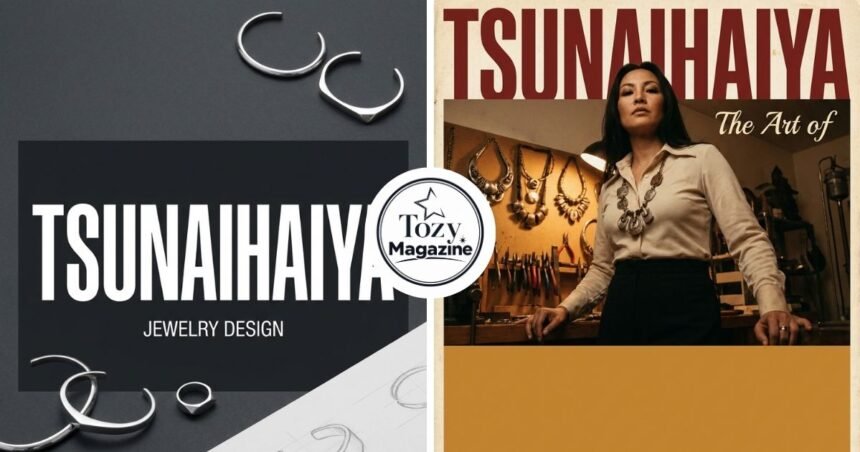
Contemporary jewelry design continually draws inspiration from rich cultural traditions, ancestral craftsmanship, and cross-border creative collaborations. Discerning collectors and fashion enthusiasts frequently search for distinct accessories that offer deeper narrative meaning beyond simple ornamentation. The term tsunaihaiya represents a celebrated fusion of artistry, derived from an Apache word meaning “sun rises” and embodying a rare creative dialogue between Native American silversmithing techniques and Japanese aesthetic philosophy.
- Introduction
- The Heritage and Founding Philosophy of Cross-Cultural Craftsmanship
- Silversmithing Techniques and Structural Metallurgy
- Organic Motifs and Natural World Symbolism
- The Intersection of Wabi-Sabi Aesthetics and Rugged Design
- Versatile Unisex Styling for Contemporary Wardrobes
- Mindful Consumption and Sustainable Artisan Values
- Caring for Handcrafted Sterling Silver Accessories
- Frequently Asked Questions
- Conclusion
Founded through the collaborative vision of Japanese artist Yusuke Kuwano and San Carlos Apache sculptor Craig Dan Goseyun, this distinctive jewelry concept reimagines how traditional metalwork can adapt to modern fashion sensibilities. Whether examining hand-stamped sterling silver bangles, intricate snake rings, or colorful stone beadwork, understanding the design heritage behind tsunaihaiya helps enthusiasts appreciate its balance of rugged texture and refined elegance. This comprehensive guide explores the origins, crafting techniques, cultural symbolism, and styling approaches that define this remarkable artistic movement.
+------------------------+---------------------------------+---------------------------------+
| Design Dimension       | Southwestern Native Craftsmanship| Japanese Aesthetic Mindset      |
+------------------------+---------------------------------+---------------------------------+
| Structural Technique   | Hand-Stamping & Heavy Silver    | Fluid Geometry & Sculptural Line|
| Surface Finish         | Hammered Textures & Patina      | Subtle Polishing & Wabi-Sabi    |
| Symbolic Elements      | Natural Motifs (Snakes, Feathers)| Minimalist Balance & Harmony    |
| Wearable Character     | Bold, Durable Workwear Accent  | Refined, Versatile Unisex Appeal|
+------------------------+---------------------------------+---------------------------------+
The Heritage and Founding Philosophy of Cross-Cultural Craftsmanship
The foundation of this unique jewelry tradition relies on mutual respect, shared craftsmanship, and authentic cross-cultural exchange. Originating in 2012, the artistic vision associated with tsunaihaiya grew out of direct mentorship between Apache artisans and Japanese metalworkers. Rather than copying historical patterns verbatim, the creators established a dynamic creative dialogue where traditional Southwestern stamping techniques seamlessly intersect with Japanese sculptural sensibilities.
This harmonious blend allows each ring, cuff, or necklace to feel simultaneously ancient and contemporary. The name itself—evoking the dawn—symbolizes a fresh beginning for collaborative metal art that respects heritage while challenging modern design standards. By honoring the integrity of raw materials and handcrafting processes, this cross-cultural tradition demonstrates how distinct global artistic heritages can enrich one another without losing their original identity.
Silversmithing Techniques and Structural Metallurgy
Excellence in custom jewelry making stems from rigorous technical execution and a deep mastery of metal behavior. Artisan creations bearing the signature style of tsunaihaiya utilize high-grade sterling silver, natural turquoise, gold solder accents, and hand-cut leather cords. Silversmiths apply traditional chisels and heavy steel stamps to build layered textures across silver bands, generating rich contrast between mirror-polished edges and dark, oxidized grooves.
Unlike mass-produced accessories created through uniform industrial casting, each piece features subtle surface variations introduced during manual hammering and bending. Master smiths carefully manipulate metal tension to form fluid curves, twisted ring bodies, and organic textures inspired by natural bark or river stones. This tactile approach ensures that every finished piece carries an individual character that develops a rich, personal patina over years of continuous wear.
Organic Motifs and Natural World Symbolism
Natural iconography plays a central role in shaping the thematic language of Southwestern and Japanese art traditions. When viewing iconic pieces inspired by tsunaihaiya, observers often recognize powerful animal forms, including coiled serpents, crane feathers, and stag antlers cast in precious metal. In both Apache lore and Eastern philosophy, the snake represents renewal, protection, and vital life energy, making it a prominent motif across wrapped band designs.
These organic motifs are rarely rendered as flat, two-dimensional decorations; instead, they wrap dynamically around the wearer’s body. A coiled silver serpent ring appears to move fluidly along the finger, with detailed stamp work simulating scales and gold solder marking bright focal points. Translating raw natural energy into wearable silver sculptures allows collectors to maintain a tactile connection to elemental storytelling throughout daily life.
The Intersection of Wabi-Sabi Aesthetics and Rugged Design
Japanese aesthetic philosophy heavily values wabi-sabi—the appreciation of transience, natural asymmetry, and subtle imperfection. Integrating this mindset into the rugged framework of tsunaihaiya gives heavy silver jewelry an unexpected sense of grace and balance. Rather than striving for artificial, machine-like perfection, artisans preserve small tool marks and asymmetrical contours that highlight the maker’s hand.
This philosophical alignment transforms everyday accessories into meditative objects that reflect the natural aging process. As silver interacts with air, skin oils, and daily wear, its surface tone deepens, softening sharp lines and highlighting hand-stamped details. Embracing natural wear turns each ring or cuff into a living record of its owner’s journey, elevating simple jewelry into cherished personal heirlooms.
Versatile Unisex Styling for Contemporary Wardrobes
Modern fashion increasingly prioritizes personal expression over rigid gender divisions, making versatile unisex accessories highly sought after. The balanced design language of tsunaihaiya makes its rings, bead anklets, and structural cuffs effortlessly adaptable across diverse wardrobe styles. A narrow, textured silver band provides a subtle architectural accent alongside formal tailoring, while a wide, hand-hammered cuff adds character to relaxed denim or casual knitwear.
Layering different textures represents another popular strategy for displaying hand-carved silver. Combining thin, twisted bands with colorful lapis or turquoise bead bracelets creates a rich visual hierarchy around the wrist or neck. Because these designs balance rugged Southwestern spirit with clean Japanese restraint, they integrate smoothly into minimalist, heritage, or street-style outfits alike.
Mindful Consumption and Sustainable Artisan Values
In an era dominated by fast fashion and disposable consumer goods, artisan jewelry represents a commitment to sustainability and deliberate living. Crafting pieces within the artistic lineage of tsunaihaiya demands significant time, specialized bench skill, and high-purity recycled metals. Supporting small-scale, ethical production ensures that historical silversmithing knowledge is preserved and passed down to future generations of craftsmen.
Investing in durable, heirloom-quality silver encourages consumers to buy fewer, higher-quality items that endure for decades. Beyond physical durability, handmade jewelry fosters an intentional relationship between the wearer and their possessions. Choosing thoughtfully crafted accessories supports a more conscious approach to personal style that honors human effort, natural resources, and cultural heritage.
Caring for Handcrafted Sterling Silver Accessories
Maintaining the luster and structural integrity of artisan silver requires basic routine care and sensible storage habits. Precious metal items inspired by tsunaihaiya should be kept in soft fabric pouches or lined wooden boxes when not in use to prevent accidental scratching. While natural oxidation enhances the depth of hand-stamped grooves, excessive tarnish can be managed using specialized polishing cloths without stripping intentional patinas.
Wearers should avoid exposing fine silver pieces to harsh household chemicals, chlorine pools, or abrasive cleaning compounds that can alter delicate solder work or damage natural stone settings like lapis lazuli and turquoise. Periodic gentle wiping with a dry microfiber cloth removes daily surface oils, preserving the nuanced contrast between polished highlights and darkened recesses. Proper maintenance guarantees that structural silver pieces retain their beauty and value for generations.
Frequently Asked Questions
What is the origin of the word tsunaihaiya?
It originates from an Apache word meaning “sun rises,” chosen to reflect the brand’s cultural connection to Native American heritage and Southwestern silversmithing.
Who founded the tsunaihaiya jewelry brand?
The brand was created in 2012 as a collaboration between Japanese artist Yusuke Kuwano and San Carlos Apache sculptor Craig Dan Goseyun.
What primary materials are used in these jewelry pieces?
Artisans predominantly utilize sterling silver, gold solder, natural turquoise, lapis lazuli, and genuine leather cords.
How do you clean hand-stamped silver without ruining its dark oxidation?
Gently wipe polished areas using a soft microfiber polishing cloth, avoiding chemical liquid dips that could strip deliberate oxidized detailing within stamp grooves.
Are these jewelry pieces designed for men or women?
Most pieces are crafted as unisex designs, allowing individuals to choose items based on personal sizing, texture preference, and styling needs.
Conclusion
The artistic movement behind tsunaihaiya demonstrates the profound beauty that emerges when distinct cultural traditions unite through shared master craftsmanship. By bridging Apache silversmithing traditions with Japanese design principles, these handcrafted pieces offer a refreshing alternative to mass-produced fashion accessories. The combination of hand-stamped textures, organic natural motifs, and refined sculptural balance results in wearable art that feels both deeply rooted and distinctly modern.
Whether appreciated for its philosophical grounding, meticulous metallurgy, or versatile unisex aesthetic, this cross-cultural jewelry style continues to captivate collectors worldwide. Investing in thoughtfully made silver pieces allows individuals to celebrate human artistry while building a personal accessory collection that ages gracefully over time. As fashion shifts toward sustainability and narrative depth, artisan collaborations that honor heritage while embracing innovation remain a shining example of modern creative design.