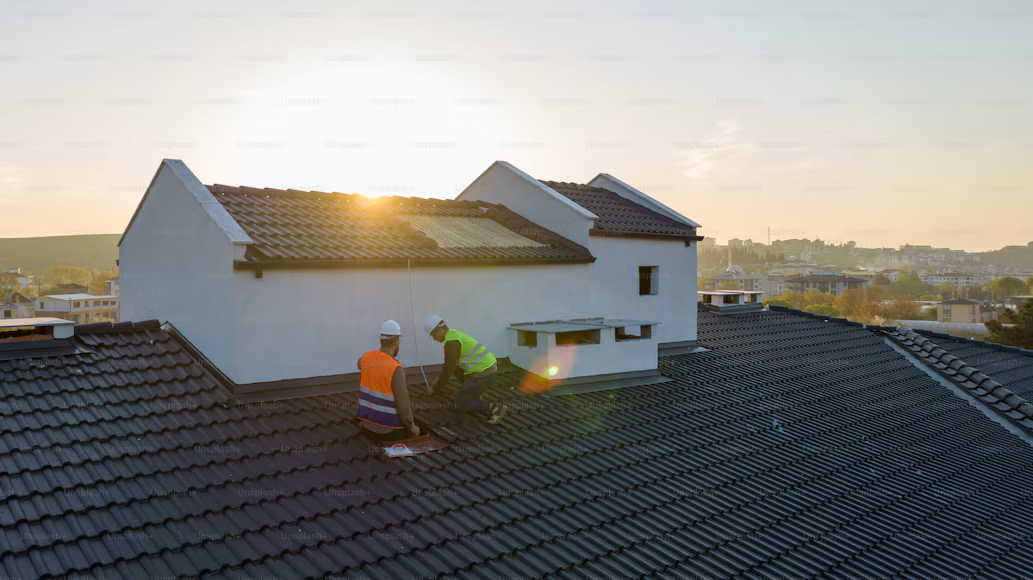
While quality shingles are an issue for roofing contractors looking to service residential customers for reroofing work, the largest amount of friction in the sale lies with defining scope, accessing homes for the removal of existing roofs, and the hidden cost of reroofing that lies beneath the apparent square footage of exterior surface area of a home. All of these items can be addressed prior to the date of mobilization for the work and in most cases a simple phone call to inform the customer of changes rather than issuing a change order for added cost to complete work that was added is all that is necessary.
Fix the scope in writing before mobilization
A “replace roof” proposal is not a scope of work. Describe the tear-off in sufficient detail to cover depth, number of existing layers to tear off, type and quantity of underlayment to be applied, and detail of ice and water shield application at eaves and valleys. Detail flashing of all penetrations. Detail changes to ventilation. Describe in detail what is going to be done with existing gutters.
How a contractor treats step flashing at walls is an area where hidden cost can reveal itself quickly. In some cases a contractor may choose to re-use existing step flashing, in others they will remove it and re-flash in full. Both can save money but both can mask problems with existing water penetration through the siding and into the walls of your home. Settle on a course of action with an experienced roofing company in Hampton Virginia and clearly document that decision in your scope.
Separate the known from the conditional
The best items to quote on a proposal in unit rates are items that you will have to quote based on what you find (e.g. Deck repair, masonry chimney repair, damaged soffit/fascia, incomplete/incorrectly configured attic finishes for bathroom vents, etc.). Then you can negotiate down from your total quoted price instead of having to negotiate up from no price at all.
Walk the access and staging plan on site
A 30 yard or more access to our ladder line is a great way for us to work efficiently on your roofing job rather than traveling around a fenced in yard with all of our gear.
- Confirm where the dumpster or dump trailer sits, whether it rests on the driveway, and whether plywood protection goes underneath.
- Identify load-bearing limits on paver drives, septic fields, and any underground utility runs the delivery truck would cross.
- Agree on where shingles get loaded, either rooftop by conveyor or ground stacked, since rooftop loading concentrates significant weight on a limited area.
- Clear overhead obstructions and note low service drops that require utility coordination rather than improvisation.
- Move vehicles, grills, planters, and anything fragile at least ten feet from the drip line.
Protect what you cannot move
The vibration from tearing off a roof can travel, so be sure to bring down anything hanging on walls in your home, and cover all your attic storage areas. Also, be sure to cover all your fall zone shrubs with tarping or plywood tenting.
Plan for noise, occupancy, and disruption
The roofing demolition is a single morning event and creates sustained impact noises, intermittent compressor noises and roof traffic during the day until mid-afternoon.
Please let us know if you have any pets that will be left at home during the re-roofing process. We try our best to accommodate homeowners with nighttime work schedules, work from home and have many phone calls, or simply wish to know when we will be working above their exterior doors. We work long hours on the first day of removal and try our best to complete the dry-in by the end of the day. It is also best to inform immediate neighboring homes of any large staging area that will be used in your driveway during the roofing process.
Build weather contingency into the schedule
Bad weather, particularly rain, is typically a negative when it comes to a roof installation. Also, the surface temperature must be warm enough for the sealants to activate. Shingles cannot be installed in high winds as they can get damaged during handling and also pose a safety risk. Typically installation ceases by 11 a.m. On such days to allow time for the removed roof covering to dry out before getting affected by any inclement weather.
Ask how the roof gets secured overnight
Who will ensure completion of the open deck(s) to weather-tighten in case of inclement weather? Sequencing to dry out within one day to complete the tear-off of the corresponding area(s) of the roof is best practice for this type of work. Who will be held accountable for any water intrusion into the incompletely closed deck(s)?
Budget for the conditions you cannot see
Reserve 10-15% of the contract price to cover unexpected problems and create a list to cap expenses listed to the right.
| Conditional item | Usual trigger | How to cap exposure |
| Decking replacement | Soft or delaminated sheathing found at tear-off | Agreed per-sheet rate plus photo documentation before replacement |
| Fascia and drip edge | Rot at eaves, often behind gutters | Linear-foot pricing with a not-to-exceed cap |
| Ventilation correction | Intake and exhaust imbalance measured during assessment | Specify net free area up front, not after tear-off |
| Chimney and skylight work | Failed counterflashing or aged skylight units | Inspect and decide before contract signing |
Verify coverage and closeout terms
Assure that the general liability insurance and the workers compensation insurance for the various subs are in place and verify with the insurer for receipt of the certificates. Review the manufacturer warranty requirements to note if a certified installer is required to complete the full system of matched components to obtain a complete warranty.
Complete close-out of work as described; have all lost objects (e.g. Nails, wire, etc.) in the yard and drives magnetic-swept; remove all debris from the premises; Take complete pictures of ALL flashing and all penetrations prior to finishing off final layer of roofing material; Register all warranties with corresponding manufacturers in writing.