



The Concept of Bilieter in Event Management
In contemporary event administration, digital publishing, and software development, bilieter has emerged as a term connected with admission management, digital ticketing workflows, and venue access control. Derived etymologically from European roots regarding ticket collection and ushering—such as the German Billeteur or Polish bileter—the term captures both historic ushering roles and modern electronic check-in frameworks. As live performance venues, sports arenas, and conference centers replace physical stubs with digital passes, understanding these operational systems helps organizers run smoother events.
- The Concept of Bilieter in Event Management
- Comparative Overview of Modern Admission Systems
- Core Operating Mechanisms Behind Digital Pass Management
- Streamlining Venue Access and Guest Operations
- Integrating Strategic Pricing and Dynamic Yield Management
- Safeguarding Operations with Fraud Prevention Protocols
- Leveraging Audience Analytics for Strategic Marketing
- Best Practices for Implementing Ticketing Technology
- Frequently Asked Questions
- Summary of Admission Technology Trends
Modern event production requires seamless coordination across inventory allocation, dynamic pricing models, payment processing, and entrance validation. Deploying a structured bilieter setup enables event managers to oversee real-time attendance figures, prevent fraudulent ticket duplication, and gather actionable guest metrics. Whether managing local community gatherings or large-scale music festivals, establishing clear ticketing frameworks remains essential for maximizing revenue, ensuring attendee safety, and delivering frictionless access.
Comparative Overview of Modern Admission Systems
| System Type | Primary Technology | Key Advantage | Common Use Cases |
| Paper-Based Ticketing | Physical printouts, stubs | Low initial tech investment | Small local events, legacy theaters |
| Barcode & QR Scanners | Optical hand scanners | Fast entry validation | Concerts, sporting events, trade shows |
| Contactless RFID / NFC | Smart wristbands, cards | High throughput, cashless payments | Multi-day music festivals, resorts |
| Mobile App Passes | Dynamic QR, Bluetooth | Anti-scalping protection, real-time updates | Major stadium events, airline boarding |
Core Operating Mechanisms Behind Digital Pass Management
A modern bilieter architecture operates through an integrated network connecting central databases, merchant processors, and mobile scanning interfaces. When a guest purchases admission online, the central server generates an encrypted, unique token linked to that transaction. This pass is stored inside a mobile app or delivered via email as a dynamic graphic string.
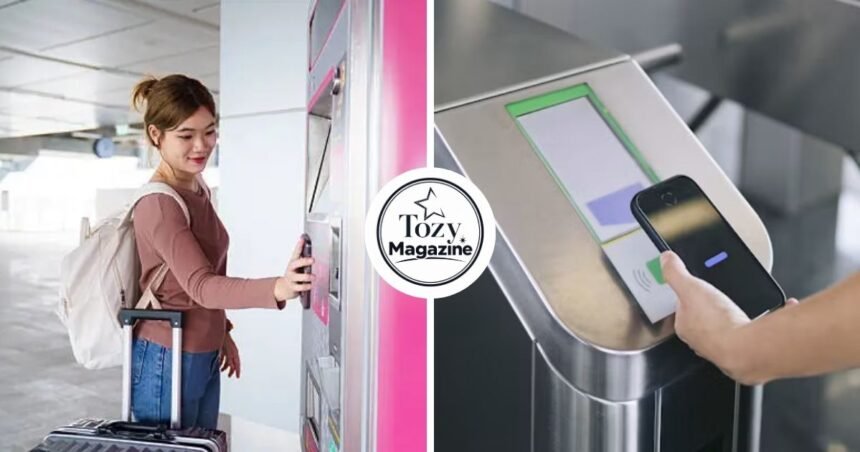
During door entry, gate attendants utilize networked hardware or mobile devices to read the pass data. The scanning interface transmits the payload to a local or cloud database to confirm validity in milliseconds. Once verified, the system marks the pass as redeemed to prevent re-entry attempts. This rapid verification process minimizes queue congestion and protects revenue streams against unauthorized access.
Streamlining Venue Access and Guest Operations
Managing crowd flow at main gates remains one of the most critical responsibilities for venue administrators. Deploying a bilieter solution allows staff to establish dedicated entry lanes based on pass tiers, such as general admission, VIP status, or press credentials. Digital validation eliminates the need to manually cross-reference printed guest lists, significantly reducing waiting times at the entrance.
In addition to fast scanning, gate management software offers venue staff real-time visibility into entry throughput. Administrators can monitor ingress rates per gate, allowing them to redistribute ushering staff to congested entry points dynamically. This operational agility ensures that venues remain safe, organized, and capable of handling sudden arrivals without compromising security checks.
Integrating Strategic Pricing and Dynamic Yield Management
Revenue optimization relies heavily on structured pricing strategies tailored to target demographics. Utilizing a bilieter framework enables event planners to configure multi-tiered pricing models, including early-bird discounts, group rates, and VIP packages. Automated scheduling tools allow organizers to transition between pricing tiers automatically based on sales thresholds or specific calendar dates.
Dynamic pricing algorithms further assist high-demand venues by adjusting ticket costs according to real-time market interest. By analyzing web traffic, past purchase habits, and inventory availability, system algorithms optimize ticket values to maximize overall yield. This data-driven approach prevents premature sellouts at under-market prices while maintaining steady sales volume for slower-moving events.
Safeguarding Operations with Fraud Prevention Protocols
Ticket counterfeiting, unauthorized scalping, and duplicate passes present major financial and security risks to public event organizers. Implementing a bilieter system introduces robust defense mechanisms, such as encrypted dynamic barcodes that refresh every few seconds to prevent screenshots from being shared. Additionally, linking passes directly to primary user accounts deters unauthorized secondary market reselling.
In cases where legitimate guests need to transfer access to friends or family, centralized management platforms facilitate secure peer-to-peer transfers. The original pass barcode is automatically canceled, and a fresh encrypted token is generated for the recipient. Maintaining an unbroken chain of ownership ensures that organizers know exactly who is inside the facility at any given moment.
Leveraging Audience Analytics for Strategic Marketing
The operational value of a bilieter ecosystem extends far beyond door control and payment processing. Every transaction generates structured data regarding customer demographics, geographic distribution, purchase timing, and preferred marketing channels. Event marketers analyze these data points to refine future promotional campaigns, target specific regional markets, and craft personalized email offers.
Post-event reporting tools allow organizers to evaluate ROI across different promotional channels, such as social media ads, affiliate links, or newsletter blasts. Understanding which marketing efforts yielded the highest conversion rates ensures smarter budget allocation for upcoming projects. Over time, accumulating clean audience analytics transforms occasional ticket buyers into loyal, recurring patrons.
Best Practices for Implementing Ticketing Technology
Successful deployment of an admission framework requires careful preparation, robust hardware selection, and staff training. Technical leads should verify local network infrastructure prior to doors opening, ensuring adequate Wi-Fi or cellular coverage for scanning equipment. Establishing offline backup modes allows door scanners to store validation logs locally if cloud connectivity experiences temporary interruptions.
Comprehensive staff orientation is equally vital for maintaining smooth operations. Door ushers, box office personnel, and security guards must be trained on quick troubleshooting procedures, such as handling damaged screens or resolving duplicate scan flags. Equipping gate teams with clear protocols guarantees a welcoming, professional atmosphere for arriving guests.
Frequently Asked Questions
What does the term bilieter refer to in modern event planning?
It refers to concepts, software setups, and historical terms connected with admission passes, ticket collection, gate access control, and electronic check-in operations.
How do dynamic barcodes prevent ticket fraud?
Dynamic barcodes continuously refresh their cryptographic display, preventing fraudulent entry attempts using static screenshots or printed duplicates.
Can digital ticketing systems operate without active internet connection?
Yes, advanced gate scanning software includes offline caching modes that validate passes against a local database and synchronize records once connectivity is restored.
What is the benefit of dynamic pricing for event organizers?
Dynamic pricing automatically adjusts ticket prices based on real-time market demand, helping organizers maximize total revenue and manage sales speed effectively.
How does mobile pass validation speed up gate entry?
Mobile validation allows ushers to scan encrypted codes directly from smartphone screens in milliseconds, eliminating slow physical list searches and manual paper checks.
Summary of Admission Technology Trends
Modern event management relies heavily on efficient, secure, and user-friendly access systems. Adopting a well-configured bilieter approach enables venues to consolidate payment processing, gate validation, inventory tracking, and audience engagement into a single, cohesive workflow. These integrated technologies replace outdated manual processes with rapid, automated digital verification.
As public gatherings become increasingly connected, investing in reliable ticketing architecture protects revenue, enhances venue security, and provides attendees with a frictionless entrance experience. By focusing on platform stability, data security, and staff preparation, event directors can deliver memorable experiences while building a sustainable foundation for future growth.