



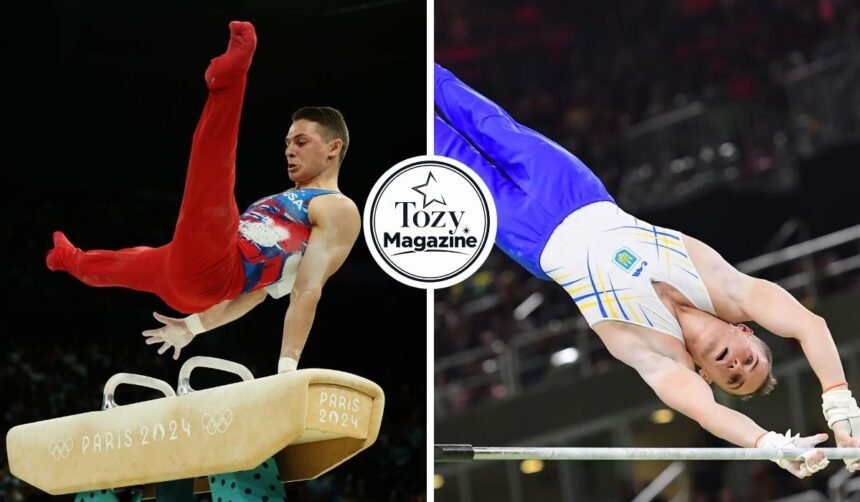
Gymnastics outfit men Movement to Modernize Athletic Gear
Olympic bronze medalist Gymnastics outfit men is taking a bold stand against longstanding uniform standards in elite competition. During the 2024 Paris Games, Richard helped lead Team USA to its first men’s team podium finish in sixteen years. Now, the young athlete is turning his attention toward revolutionizing apparel standards. Traditional rules have long required strict, form-fitting attire that many competitors find restrictive. Inspired by legendary sports figures who challenged league dress codes to drive change, Richard is intentionally wearing alternative attire at major events like the Winter Cup.
- Overview of Standard Rules vs. Proposed Modern Modifications
- The Evolution of Gymnastics outfit men Traditional Male Athletic Apparel Rules
- Balancing Judging Precision with Athlete Comfort
- Financial and Deductible Risks in Elite Competition
- Cultural Impact and Expanding Sport Inclusivity
- Lessons from Historic Sports Apparel Revolutionaries
- Materials Science and Modern Performance Fabric Innovations
- What the Future Holds for Competition Attire Standards
- Frequently Asked Questions
- Conclusion
Despite knowing that deviating from standard guidelines results in automatic point deductions from judges, the Michigan gymnast remains committed to his vision. He aims to make athletic attire more practical, breathable, and visually expressive for future generations. By pushing regulatory boundaries, Richard hopes to lower barriers for young athletes who feel uncomfortable in standard gear. His effort reflects a broader movement across modern athletics, where competitors increasingly prioritize functional comfort, individual expression, and cultural representation over outdated aesthetic traditions.
Overview of Standard Rules vs. Proposed Modern Modifications
| Attire Category | Traditional Requirement | Fred Richard’s Proposed Modification | Primary Benefit |
| Upper Body | Tight, sleeveless compression shirts / singlet tops | Looser-fitting, highly breathable performance tops | Increased comfort and mobility without restricted movement |
| Lower Body | Stiff pommel horse pants with foot straps | Relaxed-fit athletic pants made from modern flex fabrics | Enhanced range of motion and better heat regulation |
| Overall Style | One-piece form-fitting unitard design | Streamlined two-piece functional activewear | Modern aesthetic that appeals to younger athletes |
The Evolution of Gymnastics outfit men Traditional Male Athletic Apparel Rules
Apparel requirements in elite athletics were established decades ago to ensure judges could clearly observe body lines Gymnastics outfit men, alignment, and form during complex maneuvers. Over time, these standards became rigid norms across international federations. While strict attire guidelines served a clear purpose in classic judging systems, manufacturing materials and design philosophy have changed drastically. Early materials lacked the flexibility and moisture-wicking properties seen in contemporary sports gear, leading to stiff, restrictive uniforms. Today, advanced synthetic fabrics allow clothes to fit comfortably without sacrificing visibility or safety. Modernizing long-standing uniform regulations allows governing bodies to maintain rigorous judging standards while providing athletes with equipment that supports peak athletic performance.
Balancing Judging Precision with Athlete Comfort
A primary argument for maintaining Gymnastics outfit men traditional uniform regulations is the need for absolute clarity during judging. Officials must evaluate joint angles, body lines, and geometric positions in real time to award execution scores accurately. Opponents of looser apparel worry that baggier clothing might obscure slight errors, making precise scoring difficult. However, modern athletic design proves that apparel can offer a relaxed silhouette while still highlighting key biomechanical markers. Flexible, ergonomic tailoring allows judges to see joint extension clearly without trapping the athlete in overly tight fabric. Striking a balance between visual precision for officials and physical ease for competitors is essential for advancing event safety and performance quality.
Financial and Deductible Risks in Elite Competition
Choosing to alter official competition attire comes with immediate technical consequences on the scoring panel Gymnastics outfit men. Governing federations enforce strict point deductions for code-of-points infractions, meaning an athlete can lose critical tenths of a point before even beginning a routine. In a sport where podium spots are decided by fractions of a point, taking an intentional penalty is a massive competitive risk. Fred Richard acknowledges that challenging these rules requires superior execution on every apparatus to offset uniform penalties. By accepting these scoring deductions, top-level competitors demonstrate that systemic reform and long-term athlete well-being are sometimes more valuable than a single competition score.
Cultural Impact and Expanding Sport Inclusivity
Attire standards directly influence who feels welcome in competitive sports environments from a young age. Traditional uniforms can create discomfort for young boys entering a discipline dominated by strict dress codes, often serving as a mental barrier to long-term participation. Furthermore, rigid clothing requirements do not always accommodate diverse body types or cultural preferences, which can discourage underrepresented communities from joining local clubs. By introducing versatile, stylish attire, prominent athletes are helping rebrand the discipline to feel more inclusive, modern, and accessible. Creating a welcoming environment helps grass-roots programs recruit diverse talent and retain young competitors who might otherwise choose sports with more contemporary athletic wear.
Lessons from Historic Sports Apparel Revolutionaries
Protesting uniform rules to drive structural change is a proven strategy in global sports history. When basketball icon Gymnastics outfit men Michael Jordan debuted his signature sneakers in the 1980s, the league issued fines for violating uniform uniformity guidelines. Jordan continued wearing the footwear, turning a regulatory dispute into a landmark moment for sports culture and athletic branding. Similarly, tennis champions and track stars have regularly challenged conservative dress codes to introduce functional, culturally significant attire. These historical precedents show that rules often evolve only after elite figures intentionally test established boundaries. Current efforts to reform athletic apparel follow this proven path toward long-term structural update.
Materials Science and Modern Performance Fabric Innovations
The engineering behind athletic clothing has advanced rapidly, leaving traditional uniform specifications behind. Today’s performance textiles incorporate multi-way stretch fibers, targeted ventilation zones, and advanced moisture management that regulate body temperature during intense physical effort. Traditional heavy fabrics and tight elastic bands can restrict full thoracic expansion and limit natural hip movement. Incorporating ergonomic paneling and lightweight synthetic blends allows apparel to move synchronously with the body. Modernizing equipment rules ensures that athletes benefit directly from cutting-edge textile science, optimizing both safety and physical output during high-stakes routines.
What the Future Holds for Competition Attire Standards
The debate surrounding competition dress codes signals a permanent shift toward athlete-centered regulations. As more national team members and fanbases advocate for sensible apparel updates, governing bodies are facing increased pressure to review legacy rulebooks. Future updates will likely introduce clear, updated guidelines that permit flexible, two-piece options without triggering automatic scoring penalties. Allowing athletes to choose comfortable attire aligns the discipline with other modern Olympic sports that have adapted to current fashion and functionality needs. Updating these standards will ultimately enhance athlete satisfaction, attract new audiences, and ensure the sport continues to grow globally.
Frequently Asked Questions
Why are athletes deducted points for changing their uniforms?
Governing federations enforce strict uniform guidelines to ensure visual consistency for judges. Any deviation from the official rulebook results in an automatic neutral deduction from the athlete’s final score.
What specific changes is Fred Richard making to his attire?
Gymnastics outfit men is opting for looser-fitting tops and modernized athletic pants instead of traditional tight singlets and stiff pommel horse footwear.
How do tight uniforms help judges during competition?
Tight clothing allows judges to evaluate body alignment, joint angles, and execution form clearly without loose fabric obscuring the athlete’s movements.
Can apparel rules change permanently in elite gymnastics?
Yes, governing bodies regularly review and update the Code of Points following Olympic cycles, especially when athletes and member federations push for practical rule adjustments.
Conclusion
Gymnastics outfit men decision to challenge standard competition attire highlights an essential evolution in modern athletics. By prioritizing physical comfort and personal expression over outdated dress codes, he is opening vital conversations about athlete autonomy and sport accessibility. While taking intentional point deductions presents an immediate competitive obstacle, the long-term impact of his actions could reshape apparel guidelines for future generations. As sports science continues to advance and cultural expectations evolve, governing bodies must adapt to keep pace with their athletes. Modernizing uniform rules ultimately creates a more inclusive, comfortable, and dynamic environment for competitors worldwide.
Explore Exciting Content, Discover Something New: Amish Women Lifestyle, Culture, and Transitioning to Modern Life