



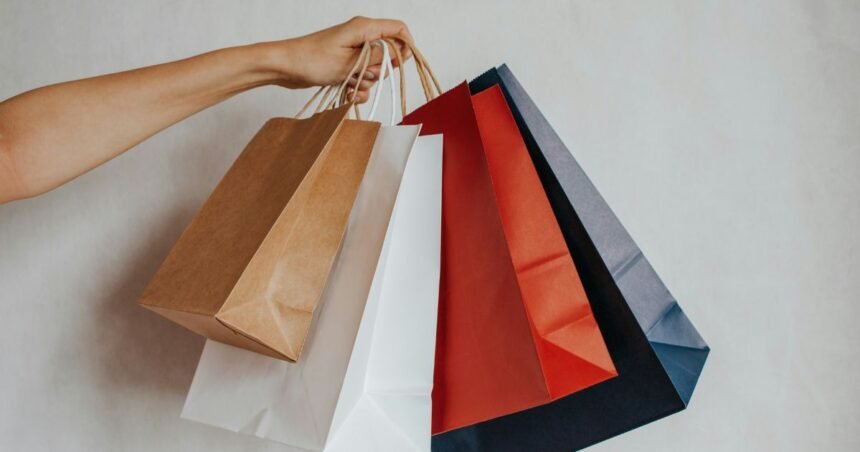
Packaging has become part of the conversation around a brand. Customers notice what a business uses to package its products, how much material is involved, and whether the presentation feels aligned with modern expectations.
- Sustainability Has Become Part of the Buying Conversation
- Why Kraft Paper Has Such Broad Appeal
- A Bag Can Be a Moving Brand Message
- The Packaging System Should Feel Connected
- Good Design Can Make Sustainable Packaging Feel Premium
- Reusability Extends the Packaging’s Life
- Different Industries, Different Opportunities
- Final Thoughts
That is one reason kraft paper bags have become a popular choice across retail, food, fashion, beauty, and e-commerce. They offer a practical way to carry products while giving businesses a packaging surface that can communicate their identity. But sustainability alone does not create customer trust. The packaging also needs to look good, perform well, and make sense for the product.
Sustainability Has Become Part of the Buying Conversation
Customers increasingly encounter environmental claims throughout their shopping experience. Words such as recyclable, reusable, paper-based, and sustainable appear across product packaging and marketing materials. This has changed what people expect from brands.
Packaging is no longer viewed only as protection. It can also signal how thoughtfully a company approaches its products and operations. Paper bags can support this perception when they are selected and designed appropriately. Their natural appearance can work particularly well for businesses that want to communicate simplicity, craftsmanship, or an environmentally conscious identity.
However, brands should avoid treating sustainability as a decorative marketing claim. The material choice should genuinely support the company’s packaging goals.
Why Kraft Paper Has Such Broad Appeal
There is something visually distinctive about kraft paper. Its natural texture and earthy appearance can create a warmer impression than highly synthetic-looking packaging. That makes kraft paper bags suitable for a surprisingly wide range of businesses.
A bakery may use them to create a rustic, handmade feel. A clothing store can add a clean logo for a minimalist presentation. A beauty brand may combine kraft paper with elegant typography to create a natural-premium aesthetic.
The same material can therefore support very different visual identities. Its versatility also makes it useful for businesses that want packaging to feel simple without looking generic.
A Bag Can Be a Moving Brand Message
Unlike packaging that stays on a shelf, a shopping bag leaves the store with the customer. It may be carried through a shopping center, placed on a desk, taken to a friend’s home, or reused for another purpose. Every one of those situations creates another opportunity for the brand name or visual identity to be seen.
This makes the bag more than a carrier. A carefully designed logo, memorable tagline, distinctive typography, or recognizable pattern can turn an ordinary shopping bag into a mobile branding asset. The design does not have to be loud. In many cases, a restrained logo printed on a well-made bag can create a stronger impression than an overcrowded design.
The Packaging System Should Feel Connected
A brand rarely relies on one packaging format. A customer might receive a product in a box, carry it in a paper bag, and later see the same business on a shipping package or promotional insert. If each item looks completely different, the brand experience can feel disconnected. This is where coordinated packaging becomes valuable.
For example, custom printed packaging boxes can carry the primary product presentation, while kraft bags extend the same visual identity beyond the box.
Matching elements such as:
- Logo placement
- Brand typography
- Color palette
- Graphic motifs
- Messaging
- Finishing style
can help create a recognizable system.
The packaging does not need to look identical across every format. It simply needs to feel like it belongs to the same brand.
Good Design Can Make Sustainable Packaging Feel Premium
There is a misconception that sustainable packaging has to look plain.
In reality, paper-based packaging can be designed in sophisticated ways. The natural surface can become part of the aesthetic rather than something brands need to hide.
A luxury-inspired brand might combine kraft paper with a restrained logo and elegant typography. A playful retailer could use bold graphics and illustrations. A handmade business may emphasize the material’s natural appearance with minimal printing. Finishing choices can also influence perception where appropriate. The important thing is balance. Adding excessive decorative elements can work against the simplicity that makes kraft packaging attractive in the first place.
Reusability Extends the Packaging’s Life
One advantage of a durable paper bag is that customers may find another use for it. A well-designed bag can become useful for carrying other items, storing small products, or handling future purchases. The longer it remains in circulation, the longer its branding remains visible.
This makes durability a branding consideration as well as a functional one. However, brands should avoid assuming that every paper bag will automatically be reused. The likelihood
Different Industries, Different Opportunities
Paper bags can be adapted to many business models.
Retail
Clothing, accessories, gift, and specialty stores can use branded bags to extend the in-store experience.
Food and Beverage
Cafés, bakeries, takeout businesses, and specialty food retailers can use paper bags for convenient product carrying.
Beauty
Cosmetic and skincare brands can coordinate bags with their boxes to create a cohesive presentation.
Events
Branded bags can hold promotional products, event materials, or purchases while giving attendees something useful afterward.
E-Commerce
Although shipping usually requires stronger outer packaging, paper bags can still be useful for local delivery, pickup orders, or retail extensions.
This flexibility makes them relevant to both established businesses and smaller brands building recognition.
Final Thoughts
Kraft paper bags offer businesses a flexible way to bring those ideas together. Their natural appearance, customizable surface, and practical applications make them suitable for a wide range of industries. When coordinated with custom printed packaging boxes, they can become part of a complete packaging identity rather than a standalone carrier. Sustainable packaging does not win trust simply because it is made from paper. It wins trust when the material, design, function, and brand message all make sense together.