



Introduction
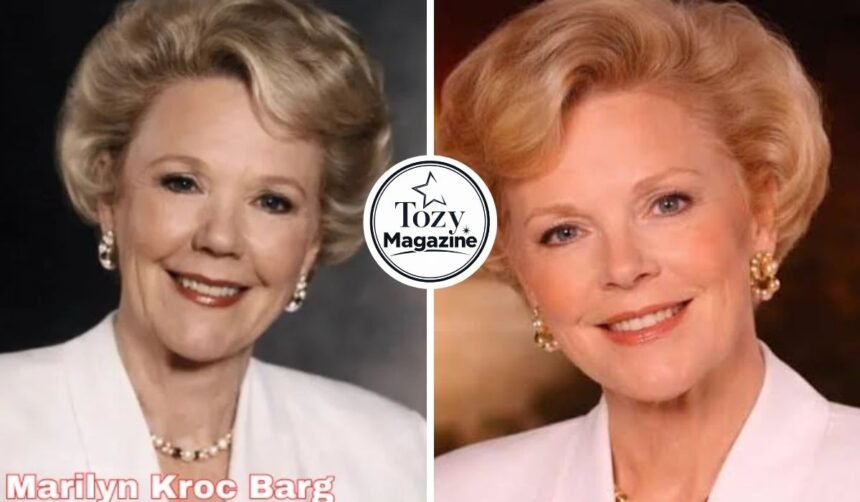
Understanding the broader story behind the McDonald’s fortune requires looking beyond corporate boardrooms to examine the quiet life of marilyn kroc barg. As the only biological child of fast-food pioneer Ray Kroc and his first wife, Ethel Janet Fleming, she occupied a unique position near immense commercial success. However, rather than seeking media headlines or an executive role in building corporate franchises, she intentionally chose a private lifestyle centered on personal integrity, quiet community giving, and equestrian sports.
Examining the life of marilyn kroc barg offers valuable insight into how personal values shape a meaningful legacy outside of corporate empire building. Growing up during her father’s early years as a traveling salesman provided her with a grounded perspective on wealth and responsibility. Throughout her adult life, she focused on direct community contributions, backing pediatric healthcare support networks, and maintaining quiet personal pursuits. The following overview details her upbringing, personal relationships, philanthropy, and lasting memory.
Key Biographical Details
Childhood Years and Family Dynamics
The early foundation of marilyn kroc barg developed long before the golden arches became a worldwide phenomenon. Born in Chicago in 1924, she grew up as an only child during a period when her father worked tirelessly as a paper cup salesman and milkshake mixer distributor. Her mother, Ethel Fleming, was a former silent film performer who stepped away from acting to manage household life. Because Ray spent extensive time traveling across sales territories, young Marilyn formed a particularly strong bond with her mother, absorbing values of humility, restraint, and quiet perseverance.
Growing up during changing economic eras taught marilyn kroc barg to appreciate substance over public status. She watched her family navigate modest financial circumstances before commercial breakthroughs occurred in the 1950s. These formative experiences ensured that when massive wealth eventually arrived, her personal priorities remained rooted in family warmth, personal privacy, and genuine empathy for others rather than extravagant spending or public attention.
Navigating Relationship with Ray Kroc
The personal dynamic surrounding marilyn kroc barg and her famous father was shaped by his intense work ethic and relentless corporate expansion. Ray Kroc was widely known for his singular focus on business growth, a drive that transformed a regional California burger stand into a global enterprise. While she respected her father’s business work ethic, she intentionally chose not to participate in commercial operations or corporate strategy meetings, preferring to chart her own independent life path.
Rather than leveraging her family name for executive prominence, marilyn kroc barg maintained a low profile that prioritized personal authenticity. She maintained warm ties with family while politely stepping away from media interviews and corporate publicity. This conscious choice to remain outside the corporate spotlight allowed her to build an independent identity defined by personal service and genuine human connections.
Personal Life and Equestrian Pursuits
Across her adult years, marilyn kroc barg sought stability and happiness through private interests and personal relationships. Her first marriage to World War II veteran Sylvester Nordly Nelson ended in divorce, after which she continued to focus on her community work. In 1960, she married Walter James Barg, establishing a harmonious partnership that lasted until her passing. Living in Arlington Heights, Illinois, the couple built a quiet home life centered on shared values and mutual support.
A central joy in the life of marilyn kroc barg was her deep passion for equestrian activities. She spent significant time riding, showing, and breeding horses, finding solace in nature and animal care away from media curiosity. These equestrian pursuits offered a creative and fulfilling outlet, allowing her to establish a personal reputation among fellow horse enthusiasts based purely on merit and dedication rather than family connections.
Direct Support for Pediatric Housing
The altruistic spirit of marilyn kroc barg contributed significantly to early efforts supporting families facing pediatric medical crises. Living with severe type 1 diabetes gave her firsthand understanding of chronic health challenges and the emotional strain placed on families during extended hospital stays. Her advocacy helped inspire the foundational concept behind Ronald McDonald House Charities, which provides comfortable housing near medical centers so parents can remain close to hospitalized children.
In addition to housing initiatives, marilyn kroc barg directed financial assistance toward medical research, community holiday programs, and educational grants. Rather than establishing giant public foundations carrying her name, she preferred direct, quiet giving that immediately solved practical problems for people experiencing hardship. Her compassionate vision helped establish a model of family-centered care that continues serving millions of people globally today.
Health Challenges and Final Years
The final chapter in the life of marilyn kroc barg was marked by ongoing health struggles related to long-term diabetic complications. Despite facing physical difficulties, she remained active in equestrian circles and continued supporting charitable causes throughout her final years. Her resilience during illness demonstrated her inner strength, earning deep respect from close friends and family members who knew her best.
On September 11, 1973, marilyn kroc barg passed away at age 48 in Arlington Heights, Illinois. Her passing brought profound grief to her father, who mourned his only child privately away from news cameras. She was laid to rest at Memorial Park Cemetery in Skokie, Illinois, leaving behind a legacy of kindness, personal dignity, and quiet service.
Distinguishing Daughter from Stepmother
Public historical accounts sometimes confuse marilyn kroc barg with Joan Kroc, leading to frequent misunderstandings regarding family roles and philanthropic gifts. Joan Kroc was Ray Kroc’s third wife, marrying him in 1969 and later making massive public donations to major educational and humanitarian organizations after his death in 1984. Recognizing that Marilyn was Ray’s biological daughter from his first marriage clarifies historical accuracy.
While both women shared a commitment to helping others, marilyn kroc barg focused her efforts on private, localized causes and early family-centered care models during her lifetime. Joan operated in a different era with access to the fully matured fortune decades later. Distinguishing between the daughter and the stepmother highlights the unique, quiet contribution Marilyn made during her 48 years of life.
Estate Reality and Personal Wealth
Media reports regarding marilyn kroc barg often examine her financial estate at the time of her death in 1973. Her personal net worth was estimated between $500,000 and $1 million, representing modest personal assets and earlier family provisions rather than the massive corporate fortune accumulated by McDonald’s in later decades. Because she passed away a decade before her father, she never inherited his final enterprise estate.
Furthermore, marilyn kroc barg prioritized using her available financial resources to support medical research, animal welfare, and family assistance programs. Her estate plan reflected a lifetime of thoughtful stewardship rather than luxury accumulation. Her real legacy is measured not in corporate asset figures, but in the lasting comfort provided to families facing difficult medical journeys.
Frequently Asked Questions
Who was marilyn kroc barg?
She was the only biological child of Ray Kroc, the businessman who built McDonald’s into a global fast-food brand, and his first wife, Ethel Fleming. She lived a private life focused on horse breeding, community giving, and family.
Did marilyn kroc barg work for the McDonald’s corporation?
No, she never worked for McDonald’s or held corporate executive roles within the company. She chose to focus on private passions, equestrian sports, and charitable endeavors instead of business operations.
How did marilyn kroc barg pass away?
She passed away on September 11, 1973, at the age of 48 due to health complications related to diabetes. She died in Arlington Heights, Illinois, and is buried in Skokie, Illinois.
What was the relationship between marilyn kroc barg and Joan Kroc?
Joan Kroc was her stepmother. Joan married Ray Kroc in 1969 as his third wife. Marilyn’s biological mother was Ray’s first wife, Ethel Janet Fleming.
Did marilyn kroc barg have any children?
No, public records confirm that she did not have any children during either of her two marriages. She directed her nurturing energy toward supporting families with hospitalized children and helping community causes.
Conclusion
Reflecting on the life of marilyn kroc barg reveals a story of quiet dignity, personal independence, and meaningful empathy. Living alongside one of America’s most famous business fortunes, she resisted the temptation of corporate power or celebrity status, choosing instead to build a life centered on privacy, equestrian interests, and community support. Her life proved that individual impact is best measured by personal integrity and the positive difference one makes in the lives of others.
The enduring memory of marilyn kroc barg lives on through the charitable initiatives she championed and her early role in encouraging family-centered medical support. Though her life ended far too early at age 48, her compassionate approach to giving helped establish housing frameworks that continue to comfort families in times of need. Her quiet legacy remains an inspirational example of using one’s position to uplift others with humility, grace, and genuine care.
Explore Exciting Content, Discover Something New: Understanding BacktoFrontShow Pricing Plans and Platform Costs