



Introduction
The world of Italian dairy products offers an astounding array of flavors, textures, and artisanal creations designed to elevate everyday culinary experiences. Among these specialty delights, masgonzola stands out as an exceptionally decadent and approachable creation. Combining the bold, tangy character of traditional Gorgonzola with the velvety, sweet richness of triple-cream mascarpone, this unique blend delivers a perfectly balanced flavor profile.
- Introduction
- Flavor and Culinary Comparison of Key Italian Cheeses
- Understanding the Distinct Origin and Composition
- The Unique Flavor Profile and Sensoric Experience
- Elevating Appetizers and Charcuterie Presentations
- Creating Luxurious Hot Pasta Sauces and Risottos
- Gourmet Uses for Flatbreads, Pizzas, and Meats
- Nutritional Profile and Health Considerations
- Proper Handling, Selection, and Storage Practices
- FAQs Section
- Conclusion
For cheese enthusiasts who find traditional blue cheeses a bit too sharp or assertive, this harmonious pairing provides a ideal compromise. The lush texture of mascarpone softens the pungent, salty edge of blue mold cultures, resulting in a smooth, spreadable product that melts effortlessly over hot dishes or pairs beautifully with fresh fruits and artisanal breads.
Whether you are designing an impressive charcuterie board, crafting a luxurious pasta sauce, or exploring new gourmet ingredients, understanding how to use masgonzola can transform your cooking. This guide delves into the origins, flavor characteristics, nutritional breakdown, and versatile kitchen applications of this delightful Italian cheese fusion.
Flavor and Culinary Comparison of Key Italian Cheeses
| Cheese Variety | Primary Texture | Flavor Profile | Best Culinary Application |
| Gorgonzola Dolce | Soft, slightly crumbly | Mildly sharp, salty, earthy | Salads, risottos, wine pairings |
| Gorgonzola Piccante | Firm, aged, crumbly | Bold, pungent, intensely sharp | Steak toppings, robust sauces |
| Mascarpone | Ultra-smooth, spoonable | Sweet, buttery, delicate | Tiramisu, dessert creams, savory thickeners |
| Masgonzola | Velvety, spreadable, dense | Creamy, mildly tangy, rich | Crostini spreads, pasta sauces, cheese boards |
Understanding the Distinct Origin and Composition
The name of this specialty dairy preparation is a clever portmanteau representing its two essential component cheeses. By taking “mas” from mascarpone and combining it with “gonzola” from Gorgonzola, cheesemakers accurately describe precisely what lies inside the package. Unlike standalone traditional cheeses protected under European Union regulations, this blended specialty is crafted by marrying two already established Italian classics into a unified product.
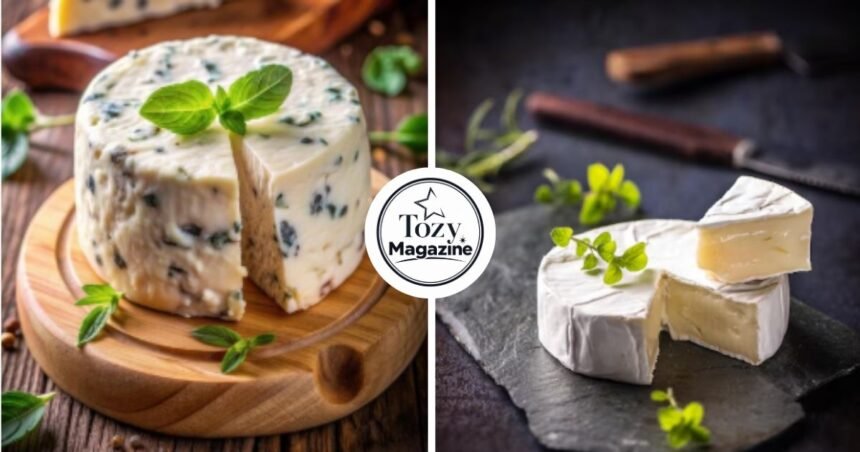
Gorgonzola contributes the characteristic blue-green veining and savory depth that blue cheese lovers adore. Meanwhile, mascarpone brings high butterfat content and a naturally mild, sweet dairy backdrop that mellows out intense pungency. Most producers craft this product in an approximate equal balance, ensuring that neither component completely dominates the palate.
Because it is a culinary creation rather than a single aged wheel, production techniques can vary slightly between creameries. Some producers fold the cheeses together into a uniform, pale green blend, while others layer them in striking visual ribbons. Regardless of the visual presentation, the resulting texture remains consistently luxurious, soft, and easy to work with in cooking.
The Unique Flavor Profile and Sensoric Experience
Sampling this specialty blend offers a complex taste journey that appeals to a wide variety of palates. Upon the first bite, the dominant sensation is sweet, buttery creaminess provided by the heavy cream foundation. As the cheese warms on the tongue, subtle notes of fresh milk give way to the unmistakable, savory tang of penicillium mold cultures.
The texture plays a vital role in elevating the overall tasting experience. Unlike crumbly aged blue cheeses that crumble when sliced, this mixture maintains a dense, velvety consistency similar to softened butter or thick cream cheese. This makes it remarkably spreadable without requiring room-temperature softening beforehand.
Fragrance is another area where the blend shines. Traditional blue varieties can emit strong aromas that occasionally overwhelm unaccustomed diners. Here, the clean, milky smell of fresh cream cushions the funky, earthy scents of the blue mold, creating a pleasant, approachable aroma that invites immediate tasting.
Elevating Appetizers and Charcuterie Presentations
Integrating this rich cheese blend into appetizer courses is one of the easiest ways to impress guests at dinner parties. Its naturally smooth consistency allows it to be slathered effortlessly onto warm crostini, toasted baguette slices, or crisp artisanal crackers. Pairing it with a drizzle of acacia honey or fig glaze highlights the sweet-and-savory contrast beautifully.
On a balanced charcuterie board, this specialty offers an eye-catching alternative to plain brie or standard blue cheese blocks. It pairs exceptionally well with sweet produce like sliced crisp pears, fresh figs, red grapes, and candied walnuts. The mild acidity of fresh fruit cuts through the high fat content, cleansing the palate between bites.
For elegant finger foods, try stuffing pitted Medjool dates or fresh mushroom caps with the soft cheese mixture before baking briefly under a broiler. As it warms, the filling melts into a savory, indulgent bite that pairs wonderfully with crisp white wines or sparkling prosecco.
Creating Luxurious Hot Pasta Sauces and Risottos
One of the greatest advantages of using this pre-blended specialty in hot cooking is its remarkable melting ability. Because mascarpone contains high butterfat levels, the mixture dissolves smoothly into hot liquids without breaking or separating into oily layers. This eliminates the need to prepare a separate flour-based roux or cream reduction when crafting rich pasta coatings.
To create an effortless gourmet pasta sauce, simply toss freshly cooked gnocchi, ravioli, or fettuccine with a few generous spoons of the cheese over low heat. Add a splash of starchy pasta water to emulsify the mixture into a glossy, velvety coating that clings perfectly to every noodle. Finish with cracked black pepper, toasted pine nuts, and fresh sage for a restaurant-quality meal in minutes.
Risotto dishes also benefit immensely from a final swirl of this rich dairy blend during the traditional rest period. Stirring a knob of the cheese into hot, arborio rice just before serving imparts incredible creaminess, vibrant savory depth, and an irresistible glossy finish that elevates simple rice into a memorable main course.
Gourmet Uses for Flatbreads, Pizzas, and Meats
Beyond pasta and appetizers, this versatile dairy creation works wonders as a decadent topping for flatbreads and artisanal pizzas. When dolloped onto a white pizza base alongside caramelized onions, prosciutto, and fresh arugula, it bakes into bubbly, golden pockets of rich, savory flavor.
It also serves as a sophisticated finishing element for grilled meats and roasted vegetables. Placing a small spoonful over a freshly seared ribeye steak or grilled pork tenderloin allows the cheese to melt slowly into a luscious pan sauce. The subtle tangy blue notes complement the rich, caramelized crust of grilled proteins magnificently.
Vegetables such as roasted butternut squash, grilled asparagus, and broiled portobello mushrooms gain extra dimension when finished with a touch of this specialty blend. The mild sweetness of root vegetables balances the savory undertones of the cheese, turning humble side dishes into gourmet highlights.
Nutritional Profile and Health Considerations
While this cheese blend is undeniably delicious, understanding its nutritional makeup helps consumers enjoy it as part of a balanced diet. Because mascarpone is made from heavy cream, the resulting product is naturally calorie-dense and rich in saturated fats. A typical single-ounce serving contains roughly 110 to 120 calories along with 10 to 11 grams of total fat.
On the positive side, it serves as an excellent source of essential dietary calcium, bioavailable dairy protein, and fat-soluble vitamins. The sodium content is generally lower than that of pure aged Gorgonzola, making it a slightly gentler option for individuals monitoring their salt intake. Practicing moderate portion control allows you to savor its intense richness without overindulging.
It is important to note that this product is a pure dairy ingredient and contains lactose, making it unsuitable for individuals with severe lactose intolerance or milk protein allergies. Always check product labels to confirm that pasteurized milk was used during production, especially if serving vulnerable populations like pregnant women or the elderly.
Proper Handling, Selection, and Storage Practices
Selecting high-quality dairy products starts with checking the packaging for clear producer details and refrigeration guidelines. Look for tubs or wedges that show fresh, vibrant pale cream colors with clear blue-green veining. Avoid packages showing excessive liquid separation, yellowing edges, or unusually sharp sour odors.
Because soft cream-based cheeses are highly perishable, maintaining an unbroken cold chain is essential for food safety. Keep the product stored in the coldest part of your refrigerator at temperatures under 40°F (4°C). Once opened, keep the surface covered tightly with plastic wrap or store it in an airtight glass container to prevent it from absorbing strong odors from other foods.
For the best flavor and texture experience, remove the portion you intend to serve about 15 to 20 minutes prior to eating. While it spreads nicely even when cold, allowing it to take off the chill enhances its aromatic qualities and softens the butterfat for a smoother mouthfeel. Consume opened containers within five to seven days for optimal freshness.
FAQs Section
What is masgonzola made of?
It is made by combining two iconic Italian dairy products: Gorgonzola (a blue-veined cow’s milk cheese) and mascarpone (a rich, triple-cream dairy product made from heavy cream).
Is masgonzola the same thing as traditional Gorgonzola?
No, traditional Gorgonzola is a standalone, protected blue cheese. This specialty product combines Gorgonzola with mascarpone, creating a creamier, softer, and milder product.
Does masgonzola melt easily in cooking?
Yes, it melts exceptionally well over gentle heat due to the high butterfat content in mascarpone. It dissolves smoothly into sauces, soups, and pasta dishes without clumping or breaking.
How should I store this cheese blend after opening?
Keep it refrigerated in an airtight container or wrapped tightly in plastic film at temperatures below 40°F (4°C), and consume it within five to seven days of opening for peak quality.
What foods pair best with this specialty cheese?
It pairs wonderfully with sweet fruits like pears, figs, and grapes, as well as honey, walnuts, crostini, gnocchi, and light red or sparkling white wines.
Conclusion
The delightful combination of Gorgonzola and mascarpone known as masgonzola represents Italian culinary ingenuity at its finest. By harmonizing the bold, savory kick of blue cheese with the comforting, sweet richness of fresh cream, cheesemakers have created an accessible, highly versatile dairy product that appeals to all types of food lovers. Its velvety texture and gentle flavor make it an absolute joy to use across both simple snacks and elaborate meals.
Whether you spread it across warm crostini, melt it into a luscious gnocchi sauce, or feature it prominently on an autumn charcuterie platter, this cream-infused specialty elevates every dish it touches. Its quick-melting properties streamline sauce preparation in the kitchen, allowing home cooks to achieve restaurant-quality results with minimal effort.
As you explore new culinary horizons, incorporating this unique cheese blend into your grocery routine opens up endless possibilities for creative cooking. Embrace its luxurious richness, experiment with sweet and savory pairings, and enjoy the perfect harmony of two timeless Italian favorites blended into one unforgettable delight.