



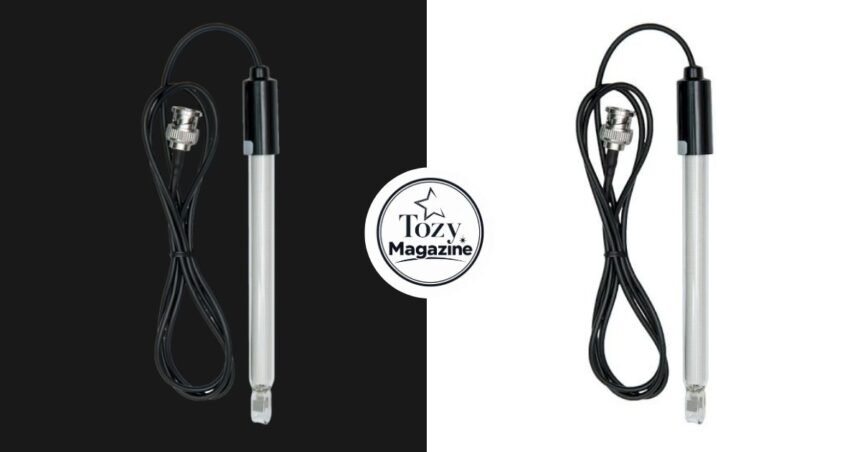
The Technical Concept of Messonde
In technical documentation, translated equipment manuals, and engineering specifications, you may encounter the term messonde. Originating primarily from technical German contexts—where it is traditionally written as Messsonde—the term directly translates to “measuring probe” or “measurement probe.” It refers to a specialized instrument designed to detect physical or chemical properties in a given environment and convert those characteristics into readable signals.
- The Technical Concept of Messonde
- Overview of Measuring Probe Types and Key Parameters
- Core Operating Principles Behind Sensing Technology
- Operational Applications Across Manufacturing and Production
- Mechanics in Vehicle Performance and Emissions Testing
- Atmospheric Monitoring and Meteorological Research
- Applications in Laboratory Research and Diagnostics
- Factors Influencing Data Accuracy and Maintenance Requirements
- Selecting the Right Sensing System for Technical Demands
- Frequently Asked Questions
- Conclusion
A messonde serves as the primary touchpoint between a physical system and an electronic control unit, monitoring parameters such as temperature, gas concentration, pressure, fluid level, or chemical composition. Whether positioned inside a high-temperature industrial furnace, immersed in a fluid tank, or integrated into an automotive exhaust manifold, the core function of a messonde is to deliver accurate, real-time data to operators, controllers, or logging software. Understanding how these tools function helps engineers and technicians select the appropriate equipment for specific operational requirements while maintaining process efficiency and safety.
Overview of Measuring Probe Types and Key Parameters
| Probe Category | Primary Measured Parameter | Typical Industrial Application | Common Signal Output |
| Temperature Probes | Heat / Thermal variance | Heat treating ovens, engine blocks, HVAC systems | Resistance (RTD), Voltage (Thermocouple) |
| Gas Sensors | Oxygen, CO2, exhaust gases | Engine emissions control, stack gas analysis | Millivolts, 4-20mA loop |
| Liquid Level Probes | Fluid height / volume | Chemical storage tanks, water treatment facilities | Capacitive, Ultrasonic, Hydrostatic pressure |
| Conductivity Probes | Ionic content / salinity | Water quality monitoring, aquarium maintenance | Digital serial output, Micro-Siemens metrics |
Core Operating Principles Behind Sensing Technology
Every messonde relies on an integrated sensing element designed to react predictably to specific environmental changes. When exposed to heat, a thermal messonde experiences a measurable shift in electrical resistance or generates a small thermoelectric voltage. Similarly, a chemical messonde features specialized materials that undergo electrochemical reactions when exposed to target molecules, such as oxygen or carbon dioxide, producing a proportional electrical charge.
Once the physical change occurs, the messonde converts this reaction into a standardized signal—typically electrical, optical, or digital. This raw data travels through shielded cables or wireless transmitters to controllers, digital displays, or automated central systems. Modern systems often process these signals instantly to make real-time adjustments, such as opening a valve, triggering a safety shutoff, or adjusting air-to-fuel ratios in an internal combustion engine.
Operational Applications Across Manufacturing and Production
In manufacturing facilities and processing plants, maintaining strict control over environmental factors is critical. A messonde installed inside a high-pressure pipe, processing vessel, or drying duct provides continuous feed data directly to programmable logic controllers. This constant oversight ensures that production parameters remain within optimal safety and quality thresholds, minimizing material waste and energy overconsumption.
Operating environments in industrial settings are frequently demanding, subjecting a messonde to extreme thermal cycles, corrosive chemicals, mechanical vibration, and heavy particulate exposure. Consequently, industrial-grade units feature rugged protective sheaths, ceramic insulation, stainless steel housings, and specialized wiring connections. Selecting a messonde manufactured from durable materials tailored to specific environmental conditions extends the working lifespan of the equipment and prevents unexpected operational downtime.
Mechanics in Vehicle Performance and Emissions Testing
Modern automotive engineering relies heavily on complex networks of sensors to maintain engine efficiency and meet strict environmental compliance standards. Within these systems, a messonde plays a pivotal role in monitoring exhaust gas composition, intake air mass, and engine coolant temperatures. For example, an oxygen messonde positioned within the exhaust pipe continuously measures remaining oxygen levels following combustion.
The data gathered by the messonde is transmitted instantly to the engine control unit, which dynamically adjusts the fuel injection system to maintain optimal combustion efficiency. This real-time feedback loop reduces harmful tailpipe emissions, maximizes fuel economy, and protects sensitive downstream components like catalytic converters. Advanced diagnostic setups also utilize portable messonde equipment during dynamometer testing to benchmark vehicle performance under varied driving simulations.
Atmospheric Monitoring and Meteorological Research
Meteorological science relies on precision instrumentation to observe atmospheric conditions across various altitudes. In weather tracking, a specialized messonde is often integrated into balloon-borne systems known as radiosondes. As these devices ascend into the atmosphere, the embedded messonde measures key ambient variables including air temperature, barometric pressure, relative humidity, and wind patterns.
The measurements collected by the airborne messonde are transmitted via radio signals back to ground receivers for immediate analysis. Meteorologists compile this atmospheric data into complex numerical forecasting models, allowing them to predict regional weather patterns, track severe storm developments, and conduct long-term climate research. The reliability of each messonde used in atmospheric testing directly influences the accuracy of weather warnings and flight planning operations.
Applications in Laboratory Research and Diagnostics
Laboratory environments demand high precision, as minor environmental fluctuations can compromise delicate experiments. In research laboratories, a messonde serves as an indispensable tool for liquid analysis, biochemical testing, and material science. Fiber-optic messonde configurations, for instance, utilize light attenuation to detect subtle biochemical changes without disrupting the sample environment.
When deployed in water quality analysis, a submerged messonde measures electrical conductivity, pH balance, and dissolved oxygen levels in aquatic habitats or industrial discharge streams. Marine biologists and environmental engineers utilize handheld messonde tools to perform field measurements in lakes, rivers, and oceans. The rapid data acquisition offered by a specialized laboratory messonde helps researchers collect accurate baseline metrics for ongoing study and regulatory reporting.
Factors Influencing Data Accuracy and Maintenance Requirements
The operational value of any messonde depends strictly on the accuracy and reliability of its data output. Environmental factors such as chemical accumulation, surface contamination, thermal stress, and physical wear can cause signal drift over time. A compromised messonde may report inaccurate values, leading operators to make incorrect adjustments that can damage equipment or degrade product quality.
Regular calibration against known reference standards is essential to maintain the precision of a messonde across its operational lifecycle. Preventive maintenance protocols should include visual inspections for physical wear, cleaning sensor surfaces to remove buildup, and checking electrical connections for corrosion. By implementing a structured maintenance schedule, facilities ensure that each messonde yields dependable readings while avoiding costly premature replacements.
Selecting the Right Sensing System for Technical Demands
Choosing the optimal messonde requires a clear assessment of operational demands and environmental conditions. System designers must identify the target metric, required response time, signal output compatibility, and acceptable margin of error. Installing a messonde rated only for ambient temperatures into a high-heat environment will result in immediate sensor failure and process disruption.
Furthermore, physical placement influences performance. A messonde must be positioned directly in the main path of flow or thermal exposure to capture representative samples. Placing a messonde in a stagnant fluid pocket or behind an internal baffle can lead to delayed or inaccurate readings. Considering installation mechanics, cable routing, and environmental protection during the design phase ensures long-term operational success.
Frequently Asked Questions
What is the difference between a messonde and a standard sensor?
While the terms are often used interchangeably, a sensor is the broader term for any component that detects physical changes. A messonde specifically refers to the physical probe or assembly that is inserted into or placed near a medium to collect readings.
Why does the term messonde appear in English technical manuals?
The term frequently appears due to direct translation from German engineering files, product catalogs, or technical documentation where Messsonde is used to describe measuring probes.
How often does a measuring probe require calibration?
Calibration schedules depend on the operating environment, accuracy requirements, and regulatory standards. High-stress environments involving high heat or corrosive chemicals require more frequent calibration checks than stable laboratory settings.
Can a single messonde measure multiple parameters simultaneously?
Yes, advanced multi-parameter messonde units can integrate multiple sensing elements within a single probe body to measure variables like temperature, humidity, and pressure at the same time.
What causes signal drift in a measuring probe?
Signal drift is commonly caused by component aging, surface contamination on the sensing element, exposure to extreme temperatures beyond rated limits, or mechanical wear.
Conclusion
Understanding the purpose and operation of a messonde is essential for navigating technical specifications in industrial, automotive, and scientific sectors. Designed to convert physical properties into accurate, actionable data, these instruments form the backbone of modern automated control systems, quality management workflows, and environmental monitoring networks.
Whether measuring exhaust gases in an automobile, regulating chemical concentrations in a processing facility, or gathering upper-air data for weather predictions, a high-quality messonde delivers the precision necessary for safe, efficient operation. By selecting the correct probe design, placing it effectively within the target environment, and maintaining a routine calibration schedule, organizations can maximize equipment lifespan, minimize operational errors, and ensure consistent process outcomes across diverse technical applications.