



Introduction to Trallehylde
In Nordic interior design and contemporary home styling, a trallehylde refers to a rustic wall shelf crafted from reclaimed wooden scaffolding boards. Originating in Scandinavian decor, where wooden building slats—historically used on construction sites—are repurposed into home furnishings, this shelf style combines raw industrial charm with organic warmth. Homeowners and interior decorators searching for eco-friendly storage solutions frequently turn to these timber shelves to add authentic character to modern spaces.
- Introduction to Trallehylde
- Structural Overview and Specifications
- Origins in Reclaimed Construction Materials
- Visual Harmony in Scandinavian and Industrial Spaces
- Mounting Systems and Structural Weight Capacity
- Creative Room Applications and Styling Ideas
- Protective Finishes and Maintenance Best Practices
- Sustainable Interior Design and Upcycling Benefits
- Frequently Asked Questions
- Conclusion
Understanding how this functional furniture piece enhances living areas helps buyers evaluate timber quality, weight capacity, and mounting techniques. Unlike mass-produced composite shelving that can feel cold or artificial, reclaimed scaffold planks bring natural grain variations, knot patterns, and subtle weathered marks into a room. Whether you are updating a cozy kitchen, designing an industrial-inspired living room, or seeking durable entryway storage, incorporating a trallehylde offers a timeless, sustainable way to organize and display your home essentials.
Structural Overview and Specifications
| Specification / Feature | Technical Detail | Interior Design Advantage |
| Primary Material | Reclaimed solid wood (seasoned scaffold timber) | High structural durability with authentic weathered character |
| Thickness Range | 3.5 cm to 4.5 cm solid profile | Supports heavy weight without bending or warping |
| Mounting Options | Floating brackets, leather straps, steel brackets | Versatile installation styles matching industrial or minimalist decor |
| Finish Variations | Natural oil, dark walnut stain, clear matte wax | Easily customizable to match existing room color palettes |
| Eco Sustainability | 100% repurposed, upcycled timber source | Promotes sustainable interior design by reducing wood waste |
Origins in Reclaimed Construction Materials
The distinct character of a trallehylde comes directly from its industrial origins on building construction sites. Scaffolding boards are engineered to withstand extreme weather conditions, heavy foot traffic, and rigorous physical loads. Over years of practical site use, the timber absorbs natural weathering, creating unique surface indentations, subtle color shifts, and saw marks that cannot be replicated artificially.
When these sturdy planks retire from construction, woodworkers clean, dry, sand, and seal the timber to repurpose it for indoor living spaces. The transformation preserves historic character while ensuring smooth surfaces that resist splintering. Appreciating this upcycled heritage allows homeowners to see how a trallehylde serves as both a practical storage surface and a piece of functional architectural history inside modern homes.
Visual Harmony in Scandinavian and Industrial Spaces
Incorporating a trallehylde into modern home interiors creates a pleasant visual contrast between smooth, painted walls and textured natural wood grain. In Scandinavian and Nordic minimalist settings, the warm tones of natural pine or spruce break up stark white walls without cluttering the room’s visual flow. The thick, solid profile provides a grounded focal point that connects indoor spaces to natural elements.
For industrial-style lofts or urban apartments, pairing thick wooden planks with matte black metal brackets or exposed pipe supports accentuates raw architectural elements like brickwork and concrete. The open shelving design maintains light, airy sightlines throughout narrow hallways, small kitchens, or compact home offices. Choosing a trallehylde gives interior decorators a flexible, tactile element that unifies modern, vintage, and rustic aesthetic themes effortlessly.
Mounting Systems and Structural Weight Capacity
Installing a trallehylde safely requires selecting the appropriate mounting hardware for your wall type and intended load weight. Because solid scaffold wood is inherently heavier than hollow composite boards, secure attachment to wall studs or masonry anchor points is essential. Heavy-duty steel L-brackets offer maximum load support, making them ideal for holding heavy cookware, book collections, or ceramic planter pots.
For a sleek, contemporary appearance, concealed floating shelf brackets fit directly into pre-drilled channels inside the back edge of the plank. This hidden support system creates a seamless floating effect while preserving the raw beauty of the wood’s outer edges. Alternatively, hanging a trallehylde using thick leather straps creates a relaxed, bohemian vibe suitable for bedrooms or nurseries. Selecting the correct mounting method ensures long-term structural stability regardless of what you display.
Creative Room Applications and Styling Ideas
The versatile nature of a trallehylde allows it to function effectively across virtually every room in the house. In the kitchen, open scaffold shelves store spice jars, stoneware coffee mugs, and cookbooks within arm’s reach while opening up wall space. Adding lower hanging hooks beneath the wooden board creates an efficient storage station for dish towels or cooking utensils.
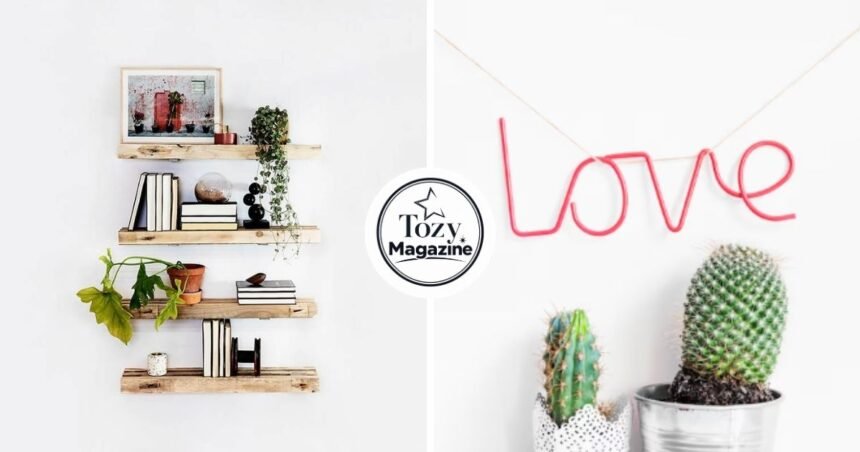
In living rooms and home offices, staging a trallehylde with framed art prints, trailing indoor houseplants, and scented candles adds personal warmth to display walls. Bathrooms benefit from narrow shelf profiles to neatly hold folded cotton towels, wicker storage baskets, and toiletries. In entryways, installing a trallehylde equipped with bottom metal hooks provides a dedicated spot for keys, bags, and coats, keeping everyday essentials organized.
Protective Finishes and Maintenance Best Practices
Preserving the natural beauty of a trallehylde involves minimal maintenance, thanks to the inherent toughness of dense scaffold timber. Applying natural linseed oil or beeswax penetrates deep into the wood grain, highlighting rich color variations while providing a protective barrier against moisture absorption. For damp environments like kitchens or bathrooms, sealing the timber with a clear matte varnish prevents water staining.
Cleaning a timber shelf requires only a gentle wipe down with a soft, dry microfiber cloth to remove dust accumulation. Avoid harsh chemical cleaners or abrasive scouring pads that might strip protective wax finishes or dull the wood’s natural patina. Periodically reapplying a light coating of furniture wax every year restores moisture resistance and maintains a healthy luster on your trallehylde for years to come.
Sustainable Interior Design and Upcycling Benefits
Choosing reclaimed scaffold shelving represents an eco-conscious step toward reducing household environmental impact. Upcycling retired construction planks redirects high-quality, solid timber away from landfills, giving existing forest resources a second functional lifecycle. This sustainable production model minimizes industrial processing emissions compared to manufacturing brand-new synthetic particleboard furniture.
Beyond environmental sustainability, owning a trallehylde connects homeowners to the growing slow-furniture movement, which values durability, repairability, and craftsmanship over disposable consumer goods. Each reclaimed shelf possesses an individual story told through its unique grain lines, knots, and historic marks. Investing in authentic repurposed timber furniture supports sustainable home living while enriching your decor with genuine historic charm.
Frequently Asked Questions
What material is a trallehylde made from?
It is made from reclaimed solid wood scaffolding planks that have been cleaned, sanded, and treated for indoor decorative use.
Can I install a scaffold shelf in a bathroom?
Yes, provided the wood is sealed with a protective oil, wax, or matte varnish to prevent moisture absorption in humid environments.
How much weight can a solid scaffold board shelf hold?
Weight capacity depends on the mounting brackets and wall anchors used, but properly installed solid timber shelves can easily hold 20 to 40 kilograms.
Are all reclaimed scaffold shelves identical in appearance?
No, every shelf is unique because reclaimed timber features varying grain patterns, natural knots, weathering marks, and distinct wood tones.
Conclusion
Repurposed scaffold board shelving offers a perfect synthesis of industrial strength, natural warmth, and sustainable craftsmanship for modern living spaces. From its humble origins on construction sites to its place in Nordic interior design, a trallehylde demonstrates how upcycled timber can elevate room decor while providing functional storage. The thick solid wood profile, combined with customizable oils and stains, allows it to adapt seamlessly into rustic, industrial, or minimalist interiors.
By choosing appropriate mounting hardware—whether floating brackets, steel frames, or hanging leather straps—homeowners can safely display books, plants, kitchenware, and personal keepsakes. Simple care practices ensure the wood maintains its protective seal and natural beauty for decades. Ultimately, adding a trallehylde to your home is an eco-friendly investment that combines environmental responsibility with timeless, authentic style.