



Introduction to FREHF
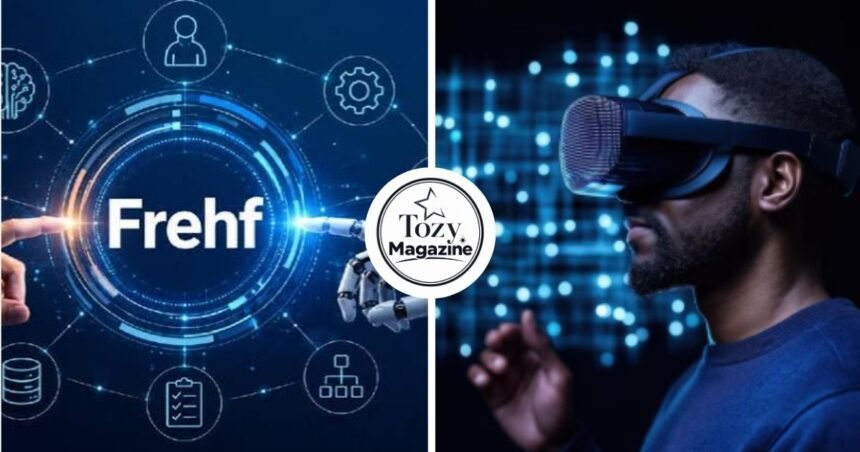
In the rapidly changing landscape of digital transformation and modern workforce management, frehf has emerged as an important conceptual model designed to bridge human capabilities with digital systems. Often expanded as the Future Ready Enhanced Human Framework, this approach focuses on creating synergy between human creativity, strategic decision-making, and automated digital tools. Rather than aiming for total, hands-off automation, organizations adopting this model prioritize human oversight while letting technology handle repetitive tasks.
- Introduction to FREHF
- Core Principles and Functional Overview
- Strategic Balancing of Automation and Human Intelligence
- Implementation Framework Across Enterprise Operations
- Enhancing Data Integrity and Ethical Standards
- Applications in Personal Productivity and Daily Routines
- Optimizing Collaboration Between Teams and Technology
- Future Outlook for Human-Centric Technology Systems
- Frequently Asked Questions
- Conclusion
Understanding how this human-centered methodology works helps business leaders, project managers, and digital strategists optimize daily operations without sacrificing quality or ethics. By establishing clear boundaries between automated tasks and manual review, teams maintain operational agility while safeguarding critical judgment calls. Whether you are integrating artificial intelligence into customer support, streamlining supply chain management, or refining personal productivity workflows, examining frehf offers a structured blueprint for responsible digital adoption.
Core Principles and Functional Overview
| Principle / Attribute | Core Definition | Primary Practical Application |
| Human In The Loop | Preserves expert oversight for complex judgment decisions | Critical oversight in medical, financial, and strategic workflows |
| Data Awareness | Collects structured operational telemetry to guide decisions | Identifies workflow bottlenecks and manual process delays |
| Process Agility | Encourages iterative improvement cycles over static setups | Allows workflows to adapt quickly as new tools emerge |
| Ethical Governance | Establishes explicit boundaries for algorithmic decisions | Prevents automated systems from executing unchecked actions |
| Workplace Scalability | Balances resource allocation between personnel and software | Reduces burnout by delegating low-value tasks to software |
Strategic Balancing of Automation and Human Intelligence
The core motivation behind adopting frehf rests on recognizing the distinct strengths of human cognition compared to algorithmic software execution. While modern artificial intelligence excels at rapid pattern recognition, massive data processing, and repetitive task execution, it inherently lacks contextual empathy, nuanced ethics, and creative intuition. Organizations that rely entirely on automated scripts risk delivering impersonal user experiences or making flawed decisions when unexpected edge cases arise.
Conversely, forcing human workers to perform manual data entry or routine document formatting leads to operational inefficiency, high error rates, and employee fatigue. By integrating frehf principles into corporate workflows, managers establish balanced operational loops where software generates preliminary insights, drafts, or data aggregations, while qualified team members make final approvals. This balanced division of labor enhances output speed while maintaining high standards of quality control.
Implementation Framework Across Enterprise Operations
Deploying frehf within a corporate environment requires a systematic evaluation of existing business operations, communication channels, and software stacks. The initial phase centers on mapping every step within a specific workflow to identify repetitive, rule-based tasks that consume excessive manual hours. Once identified, software automation tools are introduced specifically to handle these low-level administrative actions, freeing staff to focus on strategic planning and client interactions.
The second phase involves defining clear decision gates where human validation remains strictly mandatory. For instance, an automated system might compile financial risk reports, but a certified risk officer retains sole authority to approve or deny loans. Continuous monitoring through frehf methodologies ensures that as automated software capabilities improve, team roles evolve naturally, fostering an adaptable corporate culture grounded in lifelong learning.
Enhancing Data Integrity and Ethical Standards
Maintaining clean, reliable data streams is critical when relying on mixed automated and human workflows. When automated systems process unverified or biased input data, they risk propagating systematic errors across an entire organization. Incorporating frehf protocols requires establishing rigorous data validation checkpoints before software processes information down the pipeline.
Furthermore, ethical considerations remain central when implementing algorithmic decision-making tools in sensitive sectors like human resources, law, or healthcare. Establishing transparent audit trails allows managers to trace how automated recommendations were generated and why specific human decisions were made. By keeping ethics and accountability at the forefront, frehf helps organizations build trust with clients, regulators, and internal staff members.
Applications in Personal Productivity and Daily Routines
Beyond enterprise environments, applying frehf concepts significantly elevates personal productivity and daily time management. Modern professionals often struggle with information overload, drowning in emails, calendar requests, and digital notifications. Using an enhanced human framework approach allows individuals to leverage digital assistants, task templates, and auto-filters to filter noise and organize priorities.
For example, automated calendar rules can reserve focus blocks for deep work while filtering low-priority newsletter updates into summary folders. The individual retains total strategic control over their goals and creative output while software manages scheduling logistics and routine reminders. Adopting frehf routines transforms digital tools from distracting obligations into powerful force multipliers for personal accomplishment.
Optimizing Collaboration Between Teams and Technology
Successful adoption of new technologies depends heavily on employee trust and organizational culture. Workers often fear that automation initiatives aim to replace their positions, leading to resistance, low morale, and fragmented tool usage. Aligning team communication around frehf principles reassures staff that technology is being deployed to augment their unique skill sets rather than make their roles obsolete.
When team members view software platforms as supportive aids that eliminate tedious tasks, engagement increases significantly. Training programs under a frehf transition focus on upskilling employees in data interpretation, strategic prompt engineering, and critical evaluation of AI outputs. This collaborative culture ensures that technology investments yield tangible productivity gains while building a happier, more empowered workforce.
Future Outlook for Human-Centric Technology Systems
As artificial intelligence and autonomous systems continue to advance rapidly, the need for structured human-centric frameworks will become even more urgent. Future iterations of business software will likely feature native, self-adjusting governance layers built on frehf concepts, automatically prompting human intervention when system confidence falls below pre-set thresholds.
Organizations that proactively implement these hybrid operating models today will hold a distinct competitive edge tomorrow. They will operate with the processing speed and scalability of digital systems while retaining the empathy, innovation, and ethical oversight that only human professionals provide. Embracing frehf marks a shift toward a future where technology serves as a natural catalyst for human potential.
Frequently Asked Questions
What does frehf stand for in technology contexts?
It is commonly interpreted as the Future Ready Enhanced Human Framework, a conceptual model focused on pairing automated digital systems with human oversight and judgment.
Is this framework a standalone software product?
No, it is a strategic methodology or organizational approach rather than a single software tool, allowing its principles to be applied using diverse tools, platforms, and databases.
How does this concept help prevent automation errors?
By establishing mandatory human-in-the-loop validation checkpoints, it ensures that automated systems do not execute high-stakes decisions without expert verification.
Can small businesses apply these principles effectively?
Yes, small businesses can adopt this framework by using simple automation tools for repetitive tasks like email sorting or invoicing while keeping owners focused on growth and customer service.
Conclusion
Adopting human-centric automation strategies offers a balanced, sustainable path forward in an increasingly digital business world. By utilizing frehf principles, organizations bridge the gap between cutting-edge technological capabilities and the essential human qualities of critical thinking, empathy, and strategic vision. Delegating routine, repetitive tasks to digital tools frees valuable human capital to tackle complex problems and build stronger client relationships.
Implementing clear decision boundaries, maintaining high data ethics, and fostering open communication ensures that technology integration empowers employees rather than overwhelming them. Whether applied to enterprise operations, software development, or personal productivity, this structured framework helps users navigate complex digital transformations with confidence. Embracing frehf allows forward-thinking organizations to build resilient, adaptable, and efficient operations designed to thrive in the future of work.