



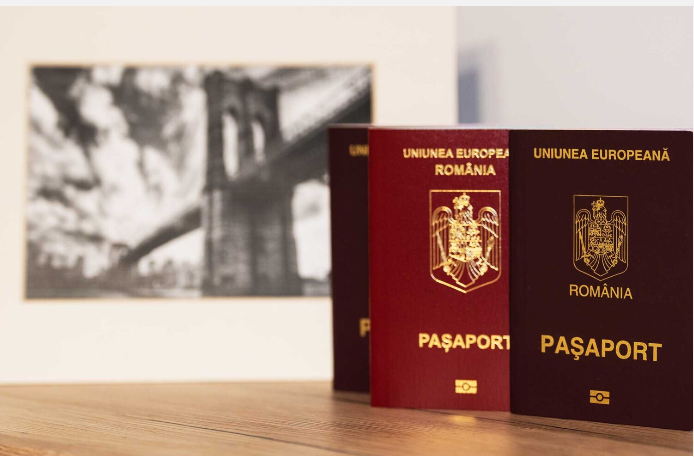
Romanian citizenship by descent can be an important option for people who can prove a qualifying family connection to a former Romanian citizen. The process is based on Romanian citizenship law and requires applicants to establish their family lineage with official civil-status documents. Eligibility can depend on how the Romanian ancestor lost citizenship, the applicant’s degree of descent, and whether the current legal requirements are met.
- What Is Romanian Citizenship by Descent?
- Who Can Qualify Through a Romanian Ancestor?
- Does the Romanian Ancestor Have to Be a Parent or Grandparent?
- What Documents Are Usually Important?
- Is Romanian Language Knowledge Required?
- Can You Keep Your Existing Citizenship?
- Where Can You Submit the Application?
- What Happens After the Application Is Submitted?
- Why Is Document Verification So Important?
- Final Thoughts
For people researching eligibility, documentation, and the application process, professional guidance can help organize the required records and understand the applicable rules. ha group provides support for individuals exploring Romanian citizenship services and related application requirements.
What Is Romanian Citizenship by Descent?
Romanian citizenship by descent generally refers to acquiring or regaining Romanian citizenship through a qualifying Romanian ancestor rather than through ordinary naturalization.
Under Article 11 of Romania’s Citizenship Law, certain people who were previously Romanian citizens and lost citizenship for reasons not attributable to them, or had citizenship removed without their consent, may qualify. The provision also covers their descendants up to the third degree.
This means that simply having a Romanian-sounding surname or a distant family connection is not enough. The applicant normally needs documentary evidence showing the relevant relationship and that the ancestor falls within the circumstances covered by the law.
Who Can Qualify Through a Romanian Ancestor?
The current rules can cover descendants of former Romanian citizens up to the third degree under Article 11.
In practical family terms, the relevant lineage may include relationships such as:
- Child of a former Romanian citizen
- Grandchild of a former Romanian citizen
- Great-grandchild of a former Romanian citizen
However, the exact circumstances of the ancestor’s former Romanian citizenship matter. Article 11 specifically concerns former Romanian citizens who lost their citizenship for reasons not attributable to them or whose citizenship was removed without their consent.
Applicants should therefore establish the complete family chain before assuming that they qualify.
Does the Romanian Ancestor Have to Be a Parent or Grandparent?
No. Depending on the circumstances, Romanian citizenship by descent under Article 11 can extend to the third degree.
This is particularly relevant for people whose Romanian connection comes through a great-grandparent. However, the applicant must be able to document each link in the family line.
For example, someone claiming through a great-grandparent may need to demonstrate:
Romanian ancestor → grandparent → parent → applicant
Each relationship generally needs supporting civil-status documentation. Missing, inconsistent, or contradictory records can make the application more complicated.
What Documents Are Usually Important?
Documentation is one of the most important parts of a citizenship-by-descent application. Applicants may need records proving both their identity and their relationship to the Romanian ancestor.
Depending on the individual case, relevant documents can include:
- Birth certificates
- Marriage certificates
- Death certificates
- Romanian civil-status records
- Documents proving the ancestor’s Romanian citizenship
- Name-change documents
- Adoption records, where applicable
- Identity documents
- Other records requested by the Romanian authorities
Romanian citizenship legislation provides specific rules concerning foreign documents, including requirements relating to authentication, apostilles or legalization where applicable. The law also sets requirements for proving civil status through appropriate official records.
Because historical records can contain different spellings, dates, or versions of names, applicants should check the entire family chain carefully before submitting an application.
Is Romanian Language Knowledge Required?
This is an important change for people considering Romanian citizenship by descent.
Following amendments that entered into force in 2025, Article 11 requires eligible descendants applying under this route to demonstrate knowledge of the Romanian language, subject to the exceptions and transitional rules established by law.
There are exceptions. For example, the current legislation states that certain former Romanian citizens seeking reacquisition under Articles 10 or 11 and applicants aged 65 or older applying under those provisions are not required to provide proof of Romanian-language knowledge.
The legislation also contains transitional provisions concerning when applicants can submit the required language certificate, so applicants should check the rules applicable when they file their application.
Can You Keep Your Existing Citizenship?
Romanian law allows qualifying applicants under Article 11 to retain their foreign citizenship while acquiring or reacquiring Romanian citizenship, provided the legal requirements are satisfied.
The law also allows the applicant to establish domicile in Romania or maintain domicile abroad.
However, applicants should also consider the nationality laws of their existing country of citizenship. Whether dual citizenship is permitted can depend on the other country’s laws.
Where Can You Submit the Application?
Applications based on Article 11 can be submitted through the Romanian citizenship authorities, and the law also provides for applications to be submitted through Romanian diplomatic missions or consular offices in the applicant’s country of domicile or legal residence.
The appropriate route can depend on the applicant’s circumstances and residence. It is therefore important to check the current filing requirements before preparing the final application.
What Happens After the Application Is Submitted?
The application is reviewed by the competent Romanian citizenship authorities. The authorities assess the documents and whether the statutory requirements have been satisfied.
The current law provides that citizenship decisions are issued by the President of the National Authority for Citizenship based on proposals from the Citizenship Commission. The law also states that citizenship can be granted or reacquired only when the authorities are certain that the legal conditions have been fulfilled.
Processing can therefore depend on the complexity of the family history, the quality of the documents, and whether additional information or documents are requested.
Why Is Document Verification So Important?
Many citizenship-by-descent applications involve records created decades ago. Names may have changed after marriage, documents may have been issued in different languages, and historical records may contain spelling variations.
A small inconsistency does not necessarily mean that an applicant is ineligible, but it can require additional documentation or clarification.
Before submitting an application, it is useful to create a clear family tree and collect documents supporting every connection between the applicant and the Romanian ancestor.
The Romanian Citizenship Law provides the legal framework for these applications and should be checked for the rules currently in force.
Final Thoughts
Romanian citizenship by descent can be available to qualifying descendants of former Romanian citizens, including descendants up to the third degree under Article 11. However, eligibility is not determined solely by having a Romanian ancestor. The circumstances under which the ancestor lost citizenship, the applicant’s family relationship, documentary evidence, language requirements, and other statutory conditions can all be relevant.
Because Romanian citizenship legislation has changed in recent years, applicants should use the rules applicable at the time of their application rather than relying on older online information. Careful document preparation and verification of the family lineage can help applicants understand whether the descent route may apply to their situation.